
The interior design industry has evolved rapidly over the past decade, and one of the biggest transformations has come through 3D interior design. Whether you’re building a new home, renovating existing spaces, or planning a commercial interior setup, 3D interior design allows you to visualize your dream space before any work begins.
It eliminates guesswork, prevents costly mistakes, and gives you a realistic representation of how your interiors will look once completed. In this complete guide, we’ll explore what 3D interior design is, its benefits, how the entire process works, and real-world examples of 3D design in action.
Interior Design Institutes in Chennai
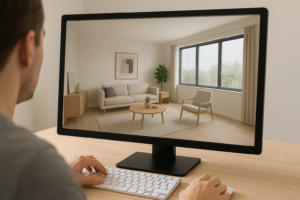
What Is 3D Interior Design? Benefits, Process & Examples
1. What Is 3D Interior Design?
3D interior design is the process of creating digital, three-dimensional visualizations of interior spaces using advanced software. It helps homeowners and designers see the layout, décor, lighting, colors, furniture placement, textures, and materials in a realistic format.
3D interior design allows you to:
-
Visualize your room from all angles
-
Understand how colors, textures, and furniture will look together
-
Experience a virtual representation before execution
-
Make changes easily without physical remodeling
It bridges the gap between imagination and final execution.
2. Why 3D Interior Design Is Important Today
Technology has made interior design more accurate and creative. Modern clients want clarity, precision, and professional planning — which 3D design delivers instantly. It eliminates surprises and ensures the design aligns perfectly with your expectations.
3. Key Benefits of 3D Interior Design
Below are the biggest advantages of using 3D interior design:
Benefit 1: Realistic Visualization of Your Space
3D designs show your interiors exactly as they will appear after completion.
You can see:
-
Wall colors
-
Lighting effects
-
Furniture placement
-
Flooring patterns
-
Décor arrangements
-
Overall theme
This reduces confusion and gives complete clarity.
Benefit 2: Better Space Planning and Layout
3D interior design ensures optimal use of space. Designers can show how different:
-
Furniture sizes
-
Wardrobe placements
-
Kitchen layouts
-
Bed positions
-
Seating arrangements
will affect movement and comfort.
Benefit 3: Eliminates Costly Mistakes
With 3D visualization, you can detect design issues before execution:
-
Wrong color combinations
-
Oversized furniture
-
Poor lighting placement
-
Impractical layouts
-
Inefficient storage
Fixing these virtually saves time and money.
Benefit 4: Smart Material and Color Selection
You can see how materials such as:
-
Tiles
-
Wood finishes
-
Marble
-
Fabrics
-
Paints
will look after installation. This helps you choose the perfect combination.
Benefit 5: Improved Communication With Designers
3D designs ensure both parties are on the same page.
There’s no guesswork — only clear visuals and actionable plans.
Benefit 6: Faster Decision Making
Since designs look real, homeowners make decisions quickly regarding:
-
Layout
-
Fittings
-
Furniture style
-
Color palette
-
Décor
This speeds up project timelines.
Benefit 7: Helps Compare Multiple Options
You can request different versions of the same room:
-
With different wall colors
-
With or without partitions
-
Minimalist vs. luxury style
-
Open kitchen vs. closed kitchen
-
Wooden flooring vs. tiles
This helps you choose the best design confidently.
4. The 3D Interior Design Process: Step-by-Step
Here is the complete process of how 3D interior design works:
Step 1: Client Discussion & Requirement Gathering
The designer understands:
-
Your style preferences
-
Room dimensions
-
Color choices
-
Furniture requirements
-
Storage needs
-
Budget
This helps create a personalized design.
Step 2: Site Measurement
Precise measurements are taken to create accurate layouts and 3D models.
Step 3: Creating the 2D Floor Plan
Before moving to 3D, designers create a 2D plan showing:
-
Walls
-
Furniture positions
-
Pathways
-
Room functions
This acts as the structural base.
Step 4: Developing the 3D Model
Specialized software is used to create a realistic 3D model with:
-
Walls
-
Furniture
-
Decor
-
Cabinetry
-
Lighting
-
Textures
The model will look like a real photograph.
Step 5: Material, Color & Texture Selection
High-resolution textures are added for:
-
Floors
-
Walls
-
Ceilings
-
Furniture
-
Fabrics
This brings the design to life.
Step 6: Rendering the Final Output
The model is rendered into HD or 4K images, producing photorealistic results.
Some designers also provide:
-
360° room views
-
Virtual walkthroughs
-
Animated videos
Step 7: Editing and Revisions
You can review the design and request changes until it matches your expectations.
Step 8: Final Approval & Execution
Once the 3D design is approved, execution begins with:
-
Carpentry
-
Painting
-
Tiling
-
Ceiling work
-
Electrical & plumbing
-
Decor setup
3D design serves as the blueprint for execution.
5. Examples of 3D Interior Design Applications
3D design is used in almost every type of interior project:
Example 1: Living Room 3D Design
Visualize:
-
Sofa placement
-
TV unit
-
Rug design
-
Décor arrangement
-
Lighting setup
Example 2: Modular Kitchen 3D Design
See:
-
Cabinet layout
-
Countertop materials
-
Backsplash style
-
Island design
-
Color combinations
Example 3: Bedroom 3D Design
Preview:
-
Wardrobe design
-
Bed position
-
False ceiling
-
Wall paint
-
Headboard style
Example 4: Office Interior 3D Design
Plan:
-
Workstations
-
Meeting rooms
-
Reception layout
-
Lighting
-
Branding elements
Example 5: Commercial Spaces
3D design is widely used for:
-
Shops
-
Restaurants
-
Hotels
-
Clinics
-
Cafés
6. Popular 3D Interior Design Software Used Today
Designers use advanced software to create accurate visuals:
-
SketchUp
-
3ds Max
-
AutoCAD
-
Revit
-
Blender
-
Lumion
-
V-Ray
-
Enscape
These tools combine accuracy with stunning visuals.
7. Why Homeowners Love 3D Interior Design
Homeowners prefer 3D design because:
-
It gives clarity
-
Reduces risk
-
Speeds up the project
-
Provides freedom to experiment
-
Makes the process enjoyable
It’s one of the most important steps before starting interior execution.
3D interior design has completely revolutionized modern home design. It offers a realistic, accurate, and immersive way to visualize your dream interiors even before the first nail is hammered. With its ability to improve communication, eliminate errors, enhance creativity, and support faster decision-making, 3D design has become an essential tool for homeowners and designers.
By understanding the benefits, process, and examples shared in this guide, you can confidently approach your next home interior project with clarity and confidence.
FAQs
1. What is 3D interior design?
3D interior design is the process of creating realistic digital visualizations of interior spaces to help you see how the final design will look before execution.
2. Why is 3D interior design important?
It eliminates guesswork, improves accuracy, enhances creativity, and helps homeowners make faster and more confident decisions.
3. How long does a 3D design take?
Depending on the complexity, it usually takes 2–7 days for a complete set of 3D renderings.
4. Can I request changes in the 3D design?
Yes. Designers usually provide 2–3 rounds of revisions to ensure the design matches your expectations.
5. Is 3D interior design expensive?
Costs vary, but it is generally affordable considering the value it adds by preventing costly mistakes during execution.
6. Do all interior designers offer 3D design?
Most professional designers and firms provide 3D visualization as part of their design package.
7. What is the difference between 2D and 3D design?
2D shows layouts from above, while 3D provides realistic views of walls, furniture, colors, and décor from multiple angles.