30 Bedroom Interior Design Ideas for Cozy Homes
Your bedroom is your personal sanctuary—a space where you relax, unwind, and recharge. Creating a cozy, inviting bedroom doesn’t always require major renovations. With thoughtful design ideas, smart décor choices, and the right blend of comfort and style, you can transform your bedroom into a warm and restful haven.
Whether you prefer modern, minimal, rustic, or luxurious interiors, this guide shares 30 Bedroom Interior Design Ideas for Cozy Homes that will help you design a space that feels peaceful, comfortable, and visually stunning.
Interior Design Institutes in Chennai
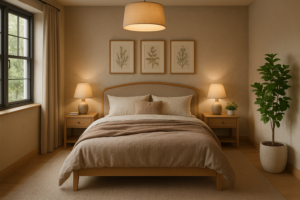
30 Bedroom Interior Design Ideas for Cozy Homes
1. Choose a Soft and Warm Color Palette
Warm and neutral shades instantly enhance coziness. Choose colors like:
-
Cream
-
Beige
-
Pastel peach
-
Soft grey
-
Taupe
-
Warm white
These tones create a relaxing atmosphere ideal for bedrooms.
2. Add Layered Textures for Warmth
Textures add dimension and comfort. Layer your space with:
-
Plush throws
-
Cotton or wool blankets
-
Textured rugs
-
Velvet cushions
-
Linen bedding
Mixing textures gives the room a rich and cozy feel.
3. Incorporate Soft Ambient Lighting
Soft lighting transforms bedroom vibes immediately. Use:
-
Warm LED lights
-
Bedside table lamps
-
Wall sconces
-
Fairy lights
-
Pendant lights
Avoid harsh white lighting for cozier ambience.
4. Use a Statement Headboard
A stylish headboard makes your bed the center of attention. Choose from:
-
Upholstered headboards
-
Wooden panels
-
Velvet or suede finish
-
Cane or rattan designs
It enhances both comfort and luxury.
5. Add Indoor Plants for Natural Warmth
Plants purify the air and bring life into your bedroom.
Great choices include:
-
Snake plant
-
Peace lily
-
Money plant
-
ZZ plant
They also add a calming, nature-inspired vibe.
6. Choose Cozy Bedding and Premium Fabrics
High-quality bedding dramatically improves comfort. Opt for:
-
Cotton sheets
-
Flannel blankets
-
Quilted comforters
-
Integrated layered bedding
Comfort starts with what you sleep on.
7. Keep the Layout Simple and Functional
A cozy bedroom must feel uncluttered.
Avoid overcrowding with furniture and maintain open pathways.
8. Add a Reading Nook
A small reading corner with a chair, lamp, and throw blanket adds charm and functionality.
9. Try Warm Wooden Tones
Wooden textures bring natural warmth to bedrooms.
Use wood in:
-
Flooring
-
Side tables
-
Wardrobes
-
Bed frames
-
Wall accents
Wood makes the room more grounded and cozy.
10. Hang Soft Curtains for Comfort
Choose thick or double-layered curtains like:
-
Linen
-
Velvet
-
Cotton blends
Curtains help soften harsh light and bring warmth.
11. Add Personal Touches
Make the room feel truly yours by adding:
-
Photo frames
-
Personal collections
-
Souvenirs
-
Art pieces
-
DIY décor
A personalized bedroom feels more comforting.
12. Use Rugs for Warmth
Rugs add texture and warmth underfoot. Choose:
-
Fluffy rugs
-
Persian-style rugs
-
Woven rugs
Perfect for cozy aesthetics.
13. Try Canopy or Four-Poster Beds
These add luxury and coziness, especially with soft drapes.
14. Add Accent Walls for Depth
An accent wall behind the bed adds focus and character.
Use:
-
Wallpaper
-
Stone cladding
-
Textured paint
It elevates your room’s personality.
15. Use Floating Shelves for Storage
These save floor space while displaying décor beautifully.
16. Invest in a Comfortable Mattress
A cozy bedroom begins with good sleep.
Choose a mattress that supports your posture and ensures comfort.
17. Add Warm Metallic Accents
Gold, brass, and bronze accents add timeless elegance.
Use them in:
-
Lamps
-
Mirror frames
-
Drawer handles
-
Light fixtures
Metallics introduce a luxurious glow.
18. Choose Artwork That Inspires Calmness
Your bedroom art should reflect tranquility.
Try:
-
Abstract prints
-
Nature-inspired art
-
Soft watercolor paintings
These enhance the cozy theme beautifully.
19. Add an Ottoman or Bench at the Foot of the Bed
This adds extra seating and enhances the room’s décor.
20. Use Mirrors Strategically
Mirrors create depth and reflect soft light, making rooms look bigger and cozier.
21. Keep Electronics Minimal
Avoid cluttering the bedroom with unnecessary gadgets.
Less screen time = better relaxation.
22. Add Scented Candles or Diffusers
Fragrances like lavender, vanilla, and sandalwood help create a relaxing atmosphere.
23. Try Bohemian Layering
Boho style mixes colors, textures, and patterns to create a cozy and artistic bedroom.
24. Opt for Built-In Storage Units
Built-in wardrobes and storage help keep the room organized and clutter-free.
25. Use Soft Wallpapers or Textured Walls
Soft-patterned wallpapers or textures add charm and coziness without overwhelming the space.
26. Add a Cozy Chair or Accent Seating
A single stylish chair enhances comfort and makes the room more inviting.
27. Use Matching Bedside Lamps
Symmetry creates visual balance and gives the room a hotel-like coziness.
28. Maintain Clean and Minimal Surfaces
Keep side tables and dressers clean and tidy for a peaceful environment.
29. Use Light Wood Furniture
Light wood tones create a calming Scandinavian vibe—perfect for small bedrooms.
30. Keep the Room Airy and Ventilated
Fresh air improves sleep and makes the room feel more relaxing and breathable.
Conclusion
Transforming your bedroom into a cozy haven doesn’t require excessive spending or complicated design steps. With the right blend of textures, warm colors, soft lighting, comfortable bedding, and thoughtful décor, you can create a bedroom that offers true comfort and serenity.
These 30 Bedroom Interior Design Ideas for Cozy Homes will help you style a space that is deeply personal, visually harmonious, and soothing to the senses. Whether you choose to add layered fabrics, modern lighting, accent walls, or natural elements, each idea brings you closer to the cozy, restful bedroom of your dreams.
FAQs
1. How can I make my bedroom feel cozy instantly?
Add warm lighting, soft blankets, textured cushions, candles, and natural elements like plants. Small changes can create a big impact.
2. What colors make a bedroom look cozy?
Warm neutrals such as cream, beige, taupe, soft grey, and muted pastels help create a cozy and calming atmosphere.
3. How do I arrange furniture in a small bedroom?
Place the bed against the longest wall, keep pathways open, use floating shelves, and prefer compact furniture to save space.
4. What type of lighting is best for a cozy bedroom?
Warm, ambient lighting works best. Use bedside lamps, wall sconces, and warm LED bulbs for soothing light.
5. How can I decorate my bedroom on a budget?
Use affordable wall art, add plants, upgrade bedding, choose DIY décor, and rearrange furniture strategically.
6. Should I use dark colors in a cozy bedroom?
Yes—dark shades like navy, forest green, or charcoal can add intimacy, but balance them with lighter décor to avoid heaviness.
7. What is the best flooring for a cozy bedroom?
Wooden flooring, warm-toned laminates, and soft area rugs help create a comfortable and cozy feel.
Small Living Room Interior Design Ideas
Designing a small living room can feel challenging—especially when you want the space to look stylish, comfortable, and functional at the same time. Limited square footage doesn’t mean limited design potential. With the right strategies, you can transform even the tiniest living room into a spacious, modern, and beautifully balanced environment.
This complete guide shares the best Small Living Room Interior Design Ideas that help you optimize space, enhance comfort, and create a visually appealing living area. These ideas work for apartments, studio homes, compact houses, and small modern living spaces.
1 Year Diploma – Proffesional Diploma Course
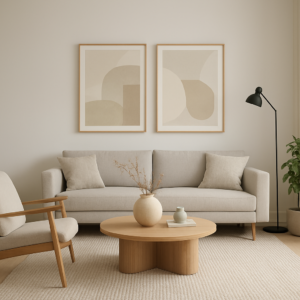
Small Living Room Interior Design Ideas
1. Choose Light Colors to Make the Room Appear Bigger
Light colors naturally reflect light and give the illusion of more space. For small living rooms, interior designers recommend:
-
Soft whites
-
Cream
-
Beige
-
Pastel shades
-
Muted greys
-
Light taupe
A bright color palette lifts the room’s mood and makes it feel spacious and welcoming.
2. Opt for Minimalist Furniture
Bulky and oversized furniture can overwhelm a small room. Choose minimalist, sleek pieces that fit the scale of the space.
Best picks:
-
Compact 2-seater sofa
-
Slim-profile lounge chairs
-
Floating TV unit
-
Tables with thin legs
-
Armless chairs
Small spaces benefit from furniture with clean lines and simple forms.
3. Use Multi-Functional Furniture
In small living rooms, every piece must add value. Multi-functional furniture helps maximize usability without cluttering the space.
Examples include:
-
Sofa-cum-bed
-
Coffee table with storage
-
Ottoman that doubles as seating
-
Foldable wall-mounted table
-
Nested side tables
These pieces serve multiple purposes within minimal space.
4. Add Mirrors to Enhance Space Perception
Mirrors reflect light and make small living rooms feel more open. Place mirrors:
-
Opposite a window
-
Behind a sofa
-
Beside the TV wall
-
As a gallery-style mirror set
This trick instantly doubles the perceived size of the room.
5. Maximize Natural Light
Natural light can transform a small room completely. Keep your windows as open as possible.
Tips:
-
Use sheer curtains
-
Avoid dark blinds
-
Arrange furniture away from windows
-
Use reflective surfaces
More light = more space.
6. Utilize Vertical Space Smartly
When floor space is limited, vertical space becomes your best design asset.
Try:
-
Tall bookshelves
-
Vertical storage units
-
Wall-mounted décor
-
Floating cabinets
-
High ceiling lights
This creates height and makes the room feel larger.
7. Choose Smart Seating Options
Instead of bulky sofas, try space-saving seating such as:
-
L-shaped sectional (compact)
-
Armless sofas
-
Poufs
-
Benches
-
Window seating
These options increase seating capacity without taking up excessive space.
8. Use Rugs to Define the Space
A rug can visually separate your living room from the rest of the house.
Choose rugs that:
-
Match the room’s color palette
-
Are proportionate to the room
-
Complement the furniture layout
Rugs add warmth and enhance visual structure.
9. Keep the Layout Open and Airy
Avoid blocking pathways.
Arrange furniture toward the walls to create movement space in the center.
This open layout adds a sense of flow and reduces crowding.
10. Select Space-Saving Television Units
Wall-mounted TV units are ideal for small rooms.
Choose:
-
Floating TV consoles
-
Slim storage shelves
-
Minimalist wall panels
Avoid bulky entertainment units that occupy floor space.
11. Incorporate Indoor Plants
Plants add life, freshness, and color without cluttering the room. Ideal plants for small living rooms:
-
Snake plant
-
ZZ plant
-
Succulents
-
Money plant
-
Small palms
Use slender pots to maintain proportions.
12. Add Accent Walls for Personality
A bold accent wall can make your small living room look modern and stylish. Try:
-
Textured paint
-
Wallpaper
-
Wood panels
-
Stone cladding
Accent walls add character without occupying physical space.
13. Use Floating Shelves for Storage
Floating shelves provide storage and display space without covering the floor.
Use them for:
-
Books
-
Photos
-
Plants
-
Collectibles
-
Small décor items
They add vertical interest and enhance minimalism.
14. Keep Décor Simple but Impactful
Avoid overdecorating. Choose a few key pieces that stand out.
Examples:
-
A large wall art
-
A stylish floor lamp
-
One statement vase
-
A decorative clock
This avoids clutter while keeping the room visually attractive.
15. Add Layers with Textures
Textures add depth and dimension to small spaces.
Use:
-
Soft throws
-
Cushions
-
Woven rugs
-
Linen curtains
-
Wooden accents
These subtle details enhance comfort and style.
16. Use Transparent or Glass Furniture
Glass and acrylic furniture creates the illusion of space because they don’t visually block the room.
Best options:
-
Glass coffee table
-
Acrylic chairs
-
Transparent shelves
Perfect for small modern homes.
17. Try Corner Arrangements
Corners are often underutilized.
Designers recommend:
-
Corner sofas
-
Corner display shelves
-
Corner lamps
-
Corner plants
This makes the room feel balanced and organized.
18. Use Smart Storage Solutions
Hidden storage helps maintain a clean look.
Ideas:
-
Storage ottomans
-
Built-in wall cabinets
-
Under-sofa drawers
-
Vertical cabinets
Smart storage reduces clutter instantly.
19. Keep the Ceiling Bright and Simple
A light-colored ceiling makes the room feel taller.
Avoid heavy false ceiling designs. Simple recessed lighting works best for small rooms.
20. Add Personal Elements
Warmth and personality are essential.
You can add:
-
Family photo frames
-
Souvenirs
-
DIY décor
-
Handmade crafts
-
Personalized cushions
This gives your small living room a meaningful identity.
Conclusion
Having a small living room doesn’t mean compromising on style or comfort. With the right design choices, you can create a beautiful, spacious, and modern living area that feels inviting and functional.
These Small Living Room Interior Design Ideas help you maximize space, enhance aesthetics, and create a room that perfectly suits your lifestyle. From smart layouts and multifunctional furniture to light colors and clever storage solutions, the possibilities are endless when you design thoughtfully.
FAQs
1. How can I make a small living room look bigger?
Use light colors, mirrors, minimal furniture, and maximize natural light. Avoid bulky items and keep the layout open.
2. What type of sofa is best for a small living room?
Compact L-shaped sofas, armless sofas, loveseats, and sofas with visible legs work best in small spaces.
3. Which colors suit small living rooms?
Whites, beige, soft grey, pastels, and other light tones make the room look spacious and bright.
4. How can I improve storage in a small living room?
Use floating shelves, wall-mounted cabinets, storage ottomans, and multi-functional furniture.
5. Can I add a TV unit in a small living room?
Yes—choose a wall-mounted or floating TV unit to save floor space.
6. Are accent walls suitable for small rooms?
Absolutely! A single accent wall adds style and depth without making the room feel crowded.
7. How do I decorate a small living room without cluttering it?
Use minimal décor, pick statement pieces, avoid over-accessorizing, and maintain open spaces.
Luxury Interior Designers Reveal 10 Expert Tips
Luxury interior design is more than expensive furniture or grand décor—it’s about achieving a refined, elegant, and timeless look that elevates your home’s personality. Professional luxury interior designers follow specific principles that blend aesthetics, sophistication, and functionality. Whether you’re designing a modern luxury apartment, a premium villa, or enhancing a single room, expert guidance can help you create a truly upscale experience.
In this guide, Luxury Interior Designers Reveal 10 Expert Tips that can completely transform your space into a luxurious masterpiece. These expert strategies are easy to understand and apply—no matter your home size or budget.
Interior Design Institutes in Chennai
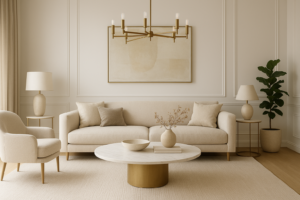
Luxury Interior Designers Reveal 10 Expert Tips
1. Start with a High-End Concept and Cohesive Vision
Luxury interior designers always begin with a strong concept. A clear design direction ensures that furniture, lighting, materials, and colors flow together seamlessly.
Popular luxury styles include:
-
Modern Luxury
-
Contemporary Glam
-
Classic European
-
Art Deco
-
Minimalist Luxury
-
Urban Chic
-
Timeless Elegance
Choosing a solid vision keeps the design purposeful and prevents mismatched décor.
2. Prioritize High-Quality Materials
Luxury isn’t about quantity—it’s about quality. Designers emphasize materials that look rich and last long.
Top luxury materials include:
-
Natural marble
-
Solid wood
-
Leather
-
Brass and gold finishes
-
Velvet
-
Crystal
-
Premium textiles
-
High-grade ceramics
Quality materials immediately elevate any room and create a long-lasting impression.
3. Use a Neutral Color Palette as the Foundation
Luxury homes often lean toward neutral tones because they create elegance and simplicity.
Designers prefer:
-
Champagne
-
Ivory
-
Charcoal
-
Taupe
-
Stone grey
-
Matte black
-
Cream
These colors make the space look expensive and allow accent pieces to shine without overwhelming the room.
4. Elevate the Space with Statement Lighting
Lighting is one of the biggest secrets behind luxury interior design.
Luxury designers recommend:
-
Crystal chandeliers
-
Pendant lights
-
LED cove lighting
-
Gold or brass floor lamps
-
Sculptural lighting fixtures
-
Backlit panels
Luxury lighting adds drama, warmth, and artistic value to your home.
5. Add Texture and Layering for Depth
A truly luxurious space feels rich because of its layers and textures.
Designers use combinations of:
-
Silk curtains
-
Velvet cushions
-
Wool rugs
-
Linen bedding
-
Suede or leather upholstery
-
Stone and wood contrasts
Layered textures make a home feel warm, premium, and visually dynamic.
6. Invest in Custom Furniture and Bespoke Pieces
Luxury designers rarely use mass-produced furniture.
Custom-made pieces ensure:
-
Perfect sizing
-
Unique design
-
Matching theme
-
Higher durability
-
Exclusive aesthetic
A bespoke dining table, custom storage, or unique sofa instantly elevates your home’s luxury quotient.
7. Master the Art of Space Planning
Luxury design is spacious design—even small spaces can appear larger when designed smartly.
Experts follow these rules:
-
Avoid overcrowding
-
Maintain clean pathways
-
Choose the right furniture proportions
-
Use built-in units to save space
-
Add mirrors for depth
-
Keep open areas for breathing space
Good space planning enhances comfort and visual appeal.
8. Add Bold Art Pieces and Sculptural Decor
Luxury homes always showcase art.
Designers incorporate:
-
Oversized paintings
-
Abstract art
-
Sculptures
-
Premium pottery
-
Limited-edition décor items
Art creates personality, character, and a gallery-like experience in your home.
9. Bring in Luxury Through Small Details
Tiny details can make a big impact.
Designers enhance spaces with:
-
Gold or matte-black handles
-
Custom-made cushion covers
-
Elegant hardware
-
Patterned wallpaper
-
Statement vases
-
Designer mirrors
It’s the finishing touches that complete the high-end experience.
10. Create a Signature Room as the Showpiece
Every luxury home includes a standout space with a “wow factor.”
This could be:
-
A hotel-style master bedroom
-
A marble-clad bathroom
-
A grand living room
-
A walk-in wardrobe
-
A stylish bar unit
-
A double-height foyer
A signature room adds drama and becomes the highlight of the house.
Bonus Luxury Tips from Top Designers
✔ Use fragrances—diffusers, scented candles, essential oils
✔ Add indoor plants like Areca Palm or Fiddle Leaf Fig
✔ Keep the home clutter-free
✔ Use ceiling height to your advantage
✔ Choose luxury rugs to anchor your rooms
These small upgrades intensify the overall luxury feel.
Room-Wise Luxury Design Tips
Luxury Living Room
-
Add a statement chandelier
-
Use a high-quality sofa
-
Incorporate art and textured walls
-
Choose premium curtains
-
Use marble, wood, or large tiles
Luxury Bedroom
-
Upholstered headboards
-
Soft lighting
-
Neutral bedding
-
A cozy seating corner
-
Layered fabrics for comfort
Luxury Kitchen
-
Quartz or marble countertops
-
Handleless cabinets
-
Glossy or matte finishes
-
Premium appliances
-
LED under-cabinet lighting
Luxury Bathroom
-
Floating vanities
-
Glass shower enclosures
-
Gold/black fittings
-
Soft white lighting
-
Natural stone textures
When each room has its own luxury identity, the entire home feels cohesive and upscale.
Conclusion
Creating a luxurious home is not about spending excessively—it’s about making thoughtful choices that combine elegance, comfort, and quality. The 10 Expert Tips Revealed by Luxury Interior Designers help you understand how to elevate your interiors through materials, lighting, textures, layout, and artistic expression.
Whether you implement just a few of these ideas or all of them, your home will begin to embody the timeless sophistication and modern luxury found in designer spaces. With the right approach, any home—big or small—can be transformed into a luxurious retreat.
FAQs
1. What makes a home interior look luxurious?
Luxurious interiors use high-quality materials, elegant lighting, meaningful décor, and carefully planned layouts. The focus is on refined finishes, spaciousness, and a cohesive theme.
2. Do I need a big budget for luxury interior design?
Not necessarily. You can achieve luxury by choosing quality over quantity—investing in lighting, fabrics, and a few premium statement pieces.
3. What colors make a home look luxurious?
Neutral tones like beige, black, cream, grey, champagne, and muted browns are widely used by luxury designers because they create a rich and timeless effect.
4. How do luxury designers use lighting?
Designers combine chandeliers, pendant lights, cove lighting, and accent lamps to add depth, mood, and elegance to the space.
5. Which materials are best for luxury interiors?
Marble, solid wood, brass, velvet, natural stone, premium tiles, and matte finishes are commonly used in luxury homes.
6. How do I add luxury to a small home?
Use minimal clutter, smart lighting, glossy surfaces, mirrors, and a few statement décor items. Avoid heavy or oversized furniture.
7. Is custom furniture necessary for luxury interiors?
Not mandatory, but it enhances luxury as it is tailored to fit your space perfectly and adds a unique designer element.
8. What is the most important element in luxury design?
Lighting is considered the most influential element, followed by material quality and space planning.
Home Interior Design Tips to Transform Any Space
A beautifully designed home does more than look good—it improves comfort, boosts mood, enhances functionality, and transforms your everyday experience. Whether you’re updating a single room or redesigning your entire house, the right interior design choices can make even the smallest or simplest spaces feel modern, elegant, and thoughtfully curated.
This detailed guide shares the best home interior design tips that can transform any space, regardless of size, style, or budget. From color palettes and lighting to furniture choices and smart décor strategies, these ideas will help you create a home that reflects your personality while staying practical and visually appealing.
2 Years – Master Diploma Course
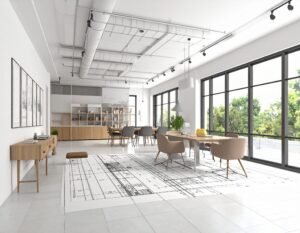
Home Interior Design Tips to Transform Any Space
1. Start With a Clear Vision and Theme
Every beautiful home starts with a concept. Before choosing furniture or décor, decide on a theme:
-
Modern
-
Minimalist
-
Traditional
-
Scandinavian
-
Industrial
-
Contemporary luxury
-
Bohemian
-
Coastal or earthy
Having a theme helps maintain consistency across every room and creates a harmonious flow.
2. Choose a Balanced and Welcoming Color Palette
Color plays the biggest role in defining the mood of your home. Choose colors based on:
For Small Homes:
-
Light shades like beige, cream, soft grey, and pastels make rooms look bigger.
For Spacious Homes:
-
Rich tones like emerald green, navy blue, charcoal, terracotta, and muted browns add depth.
A cohesive color palette throughout the house helps maintain harmony and visual balance.
3. Use Natural Light to Your Advantage
Natural light instantly makes any space appear larger, cleaner, and more beautiful.
Maximize it by:
-
Using sheer curtains
-
Installing bigger windows if possible
-
Avoiding heavy drapes
-
Choosing reflective surfaces like glass and mirrors
-
Keeping dark furniture away from window areas
Well-lit spaces feel more welcoming and energetic.
4. Layer Your Lighting for Better Ambience
Interior lighting works best when layered:
✔ Ambient lighting (overall brightness)
✔ Task lighting (reading lamps, kitchen lights)
✔ Accent lighting (spotlights, LED strips, wall sconces)
Warm-toned lights make living rooms and bedrooms feel cozy, while white lights suit kitchens and study rooms.
5. Invest in Quality Furniture That Fits the Space
One of the biggest design mistakes is choosing oversized or undersized furniture.
Follow these tips:
-
Measure the room before buying furniture
-
Opt for multi-functional pieces in small homes
-
Choose furniture with visible legs for an airy feel
-
Mix shapes—add curves to balance straight-line modern designs
-
Avoid bulky pieces in compact rooms
Quality furniture not only looks better but lasts longer.
6. Add Texture for Visual Interest
A beautiful home interior isn’t just about colors—it’s also about texture. You can add texture using:
-
Rugs
-
Cushions
-
Throws
-
Wooden accents
-
Stone cladding
-
Fabric wall art
-
Velvet or linen upholstery
Layered textures make rooms warm, inviting, and luxurious.
7. Declutter and Prioritize Organized Storage
A tidy home is instantly more stylish.
Adopt modern storage ideas:
-
Built-in wardrobes
-
Wall-mounted cabinets
-
Under-bed storage
-
Hidden units behind panels
-
Floating shelves
-
Multipurpose furniture
Decluttering enhances your room’s visual spaciousness and comfort.
8. Use Mirrors to Make Rooms Look Bigger
Mirrors reflect both natural light and artificial light, creating the illusion of more space.
Place mirrors opposite windows, behind sofas, or near dining areas to make rooms appear larger and brighter.
9. Incorporate Greenery and Natural Elements
Plants add freshness, color, and life to any room. Popular indoor plants include:
-
Snake plant
-
Areca palm
-
Money plant
-
ZZ plant
-
Fiddle leaf fig
-
Succulents
Pair greenery with natural materials like jute, rattan, wood, or terracotta for an earthy vibe.
10. Choose the Right Layout for the Room
A functional layout is the heart of good home interior design.
Tips:
-
Leave walking space between furniture
-
Avoid crowding corners
-
Create clear functional zones (reading, dining, TV area)
-
Keep pathways open
-
Use rugs to define seating areas
A well-planned layout elevates both style and comfort.
11. Add Personal Touches to Make the Space Yours
Your home should reflect your story. Include décor that feels meaningful:
-
Family photos
-
Souvenirs
-
Artwork
-
DIY décor
-
Collections
-
Personalized cushions or nameplates
This makes the home unique and emotionally connected to you.
12. Upgrade Your Flooring for a Modern Look
Flooring can dramatically transform a home. Trending choices include:
-
Wooden flooring
-
Marble
-
Large tiles
-
Vinyl flooring
-
Laminates
-
Textured tiles
Neutral or wooden tones provide timeless beauty.
13. Select Modern Ceiling Designs
False ceilings with cove lighting, wooden beams, or minimalist patterns instantly add elegance.
They also hide wiring and improve lighting control.
14. Focus on the Kitchen and Bathroom First
These areas often show the biggest transformation:
Modern Kitchen Tips:
-
Handleless cabinets
-
Quartz or granite counters
-
Soft-closing drawers
-
Matte finishes
-
Modular storage
Bathroom Tips:
-
Floating vanities
-
Frameless glass partitions
-
Warm lighting
-
Minimalist fittings
These spaces heavily influence the overall feel of your home.
15. Keep Spaces Functional and Flexible
Modern homes demand flexibility. Make sure your interior design supports:
-
Work-from-home
-
Relaxation areas
-
Storage needs
-
Entertainment setups
-
Kids’ play zones
Functional spaces make everyday life easier and more organized.
16. Add Artwork to Elevate Style
Unique art pieces, paintings, or sculptures add personality and sophistication.
Choose artwork based on your theme—minimalist, abstract, nature-inspired, or geometric designs.
17. Mix Modern and Traditional Elements
A balanced mix of old and new gives your home character.
Example combinations:
-
Modern furniture + traditional rugs
-
Sleek shelves + antique décor
-
Minimalist walls + carved wooden accents
This blend creates a timeless appeal.
18. Avoid Overcrowding the Space
Too many decorative items can make a home feel cluttered.
Follow the “less but meaningful” rule to maintain elegance and clarity.
19. Use Scent and Texture to Build Mood
Interior design isn’t only visual—it’s sensory.
Use:
-
Scented candles
-
Aroma diffusers
-
Fabric textures
-
Ambient sounds
These create a warm, comforting atmosphere.
20. Update Your Home Regularly
Design is an ongoing process.
Small additions like new cushions, curtains, décor pieces, or plants can refresh the home without a big budget.
Transforming your home doesn’t require huge changes—just smart choices. By selecting the right colors, lighting, furniture, layout, and décor elements, you can completely elevate the look and feel of any space. Use these Home Interior Design Tips to Transform Any Space to build a home that is beautiful, functional, and uniquely yours.
A thoughtfully designed home enriches your daily lifestyle, brings calmness, and reflects your personality effortlessly.
Frequently Asked Questions (FAQs)
1. How do I start designing my home interior?
Start by choosing a theme, creating a color palette, measuring your space, and planning a functional layout. Then select furniture and décor that match your concept.
2. What colors make homes look bigger?
Light tones such as white, beige, soft pastel shades, and light grey make rooms appear spacious and airy.
3. How can I make my home look modern affordably?
Replace outdated fixtures, use modern lighting, declutter the space, add indoor plants, and choose minimal décor.
4. Which type of furniture is best for small homes?
Compact, multifunctional, and open-leg furniture works best. Foldable tables, sofa beds, and wall-mounted desks save space.
5. Why is lighting important in interior design?
Lighting affects mood, visibility, functionality, and overall aesthetic appeal. It enhances textures, colors, and the perception of space.
6. What is the best way to make a room cozy?
Layered lighting, soft rugs, textured fabrics, warm colors, and indoor plants create a cozy atmosphere.
7. Can small homes look luxurious?
Yes! Use mirrors, warm lighting, minimal décor, quality fabrics, marble textures, and well-chosen art pieces to create a luxury feel.
8. How often should I update home interiors?
You can refresh small elements every 6–12 months, while major design updates can be done every 5–10 years.
Top 25 Modern Interior Design Ideas Trending This Year
Modern interior design has undergone a major transformation in recent years. Homeowners today demand spaces that are stylish, intelligent, and deeply connected to comfort. The rise of minimalism, smart home technology, sustainable materials, and multifunctional design has reshaped the way modern homes look and feel.
Whether you are renovating, building a new home, or simply updating your interiors, this comprehensive guide covers the Top 25 Modern Interior Design Ideas Trending This Year. Each trend is carefully selected based on global design movements, customer preferences, and current industry insights.
Interior Design Institutes in Chennai

Top 25 Modern Interior Design Ideas Trending This Year
1. Minimalist Interiors with Clean Lines
Minimalism focuses on the philosophy of “less is more.” Sleek furniture, crisp geometric shapes, clutter-free surfaces, and neutral shades create a harmonious and peaceful space.
This approach emphasizes function, quality, and visual purity.
2. Earth-Tone Color Palettes
Earthy color palettes—sand, clay, rust, olive, taupe, and off-white—create warmth in modern spaces. These colors are soothing, natural, and extremely versatile, making them ideal for living rooms, bedrooms, and kitchens.
3. Open-Concept Living Spaces
Open layouts break traditional room divisions, combining living, dining, and kitchen areas for a more spacious feel. They bring better natural light, improved movement, and a modern social environment.
4. Statement Accent Walls
Accent walls with textured paint, stone cladding, Venetian plaster, or bold wallpaper add personality and drama to a room. Deep green, burgundy, charcoal, and navy are trending choices.
5. Luxury Marble Finishes
Marble is one of the most sought-after materials in modern luxury homes.
From countertops and floors to walls and tabletops, marble introduces elegance and timeless sophistication.
6. Multifunctional Furniture
Furniture with dual-purpose functions—like sofa beds, wall-mounted desks, pull-out dining tables, and hydraulic storage beds—helps save space, especially in apartments.
7. Biophilic Interior Design
Biophilic design brings nature into daily living. Indoor plants, green walls, natural stones, wooden textures, and sunlight-driven designs promote wellness and lower stress.
8. Smart Home Automation
Smart homes are no longer a luxury—they’re becoming essential. From smart lights and thermostats to automated curtains and AI-based home assistants, technology enhances both convenience and aesthetics.
9. Warm Ambient Lighting
Modern lighting trends lean toward softer lighting. Layered lighting—ambient, accent, and task—creates depth and mood. Pendant lights, LED strips, and sculptural lamps are popular.
10. Modern Ceiling Designs
Ceilings are now a focal point. False ceilings with cove lighting, wooden panels, geometric beams, and minimalist tray ceilings add a premium touch to interiors.
11. Matte-Finish Surfaces
Matte textures on cupboards, tiles, furniture, and walls create a refined and sophisticated look. They pair beautifully with metallic accents like gold or charcoal.
12. Textured Fabrics & Soft Furnishings
Fabrics with unique textures—linen, bouclé, wool blends, velvet, and organic cotton—are trending. They add warmth, coziness, and a layered look to any room.
13. Scandinavian-Inspired Interiors
Scandinavian design emphasizes simplicity, comfort, and functionality.
Soft neutrals, wooden tones, and cozy textiles define this warm and minimal lifestyle aesthetic.
14. Built-In Storage Solutions
Built-in storage solutions help reduce clutter while maintaining clean visual lines. Wall-to-wall cabinets, hidden drawers, and integrated shelves maximize space intelligently.
15. Industrial Chic Designs
Modern industrial design features exposed bricks, raw concrete textures, black metal frames, and neutral colors. It is ideal for loft-style apartments and contemporary homes.
16. Large Windows & Natural Light
Large windows, sheer curtains, and skylights help maximize brightness. Natural light improves mood, enhances design elements, and makes spaces feel bigger.
17. Open Shelving Concepts
Open shelves help display décor items while saving storage. Perfect for kitchens, living rooms, and home offices, they bring openness and accessibility.
18. Sustainable & Eco-Friendly Materials
Eco-conscious design is rising globally. Homeowners prefer bamboo, reclaimed wood, rattan, jute, cork flooring, and energy-efficient appliances for a greener lifestyle.
19. Boutique-Style Bedrooms
Bedrooms styled like boutique hotels are in trend. Plush bedding, accent lighting, textured headboards, and neutral palettes create a luxurious sanctuary.
20. Neutral Kitchens with Modern Layouts
Neutral kitchens—white, beige, grey, or two-tone—dominate modern homes.
Handleless cabinets, quartz countertops, and modular storage keep kitchens visually clean and highly functional.
21. Floating Vanities & Sleek Bathrooms
Floating vanities, walk-in showers, metal accents, and large mirrors contribute to a clean and contemporary bathroom style. Soft lighting enhances the spa-like environment.
22. Bold Art Pieces
Oversized art, abstract paintings, sculptures, and handcrafted décor items create strong visual appeal and transform simple interiors into sophisticated spaces.
23. Indoor-Outdoor Living Concepts
Balcony gardens, wooden decks, patio seating, and sliding doors allow natural surroundings to become part of your interior design.
24. Personalized Home Offices
With remote work becoming common, personalized home offices with ergonomic chairs, natural lighting, and aesthetic décor help boost productivity.
25. Curved Furniture & Organic Shapes
Curved sofas, rounded mirrors, arched doorways, and circular coffee tables soften interior spaces and create flow and fluidity.
Modern Interior Design Tips to Enhance Your Space
To get the most out of these trends:
✔ Choose a consistent color palette
✔ Keep the design functional
✔ Mix textures for depth
✔ Allow ample natural light
✔ Avoid overcrowding the space
✔ Choose quality materials
Even adopting two or three of these ideas can dramatically transform your home’s overall look and feel.
The above Top 25 Modern Interior Design Ideas Trending This Year capture the perfect balance between style, innovation, and functionality. Whether you prefer minimalist interiors, luxurious finishes, or nature-inspired designs, these trends will help you create a home that reflects your personality while keeping up with modern aesthetics.
By incorporating smart lighting, multifunctional furniture, sustainable materials, and warm textures, you can build a contemporary home that not only looks beautiful but also enhances daily living.
FAQs
1. What is the most popular modern interior design trend this year?
Minimalist design with clean lines and neutral tones remains one of the most popular trends this year, followed by biophilic design and multifunctional furniture.
2. How can I make my home look modern on a budget?
Opt for neutral paint, declutter unused items, add modern lighting, replace outdated handles, and choose affordable textured décor pieces.
3. Which colors are trending in modern interior design?
Earthy tones such as beige, olive green, terracotta, taupe, and charcoal grey are leading this year’s color palette.
4. How do I choose the right lighting for a modern home?
Use a combination of ambient, task, and accent lighting. Warm LED lights, pendant lamps, and recessed lights enhance modern interiors.
5. What furniture is ideal for a modern home?
Matte-finish furniture, multifunctional pieces, curved sofas, and wooden elements all complement modern interior design.
6. Is marble still trending in modern interiors?
Yes. Marble countertops, floors, and accent walls continue to be top choices for luxury modern homes.
7. Which interior style is best for small homes?
Scandinavian and minimalist styles work best for small homes as they focus on open spaces, light colors, and simple furniture.
A Day in the Life of an Interior Design Student
A Day in the Life of an Interior Design Student
Pursuing a degree or diploma in interior design is an exciting journey filled with creativity, challenges, and continuous learning. If you’re considering a career in interior design or are curious about what students in this field experience daily, this article offers an in-depth look at a day in the life of an interior design student. From classroom lectures and hands-on projects to client interactions and late-night brainstorming sessions, interior design students juggle many activities that prepare them for a vibrant career. interior design courses eligibility

A Day in the Life of an Interior Design Student
Morning Routine: Starting the Creative Day
For most interior design students, the day begins early. Whether attending classes on campus or participating in online lectures, mornings are often reserved for theoretical knowledge and foundational subjects.
Classes and Lectures
Typical morning lectures may cover topics such as:
-
Design Principles and Elements: Learning about color theory, balance, scale, and proportion.
-
Materials and Finishes: Understanding the properties and applications of different materials like wood, metal, fabrics, and composites.
-
History of Interior Design: Studying iconic design movements and influential designers.
-
Technical Drawing and CAD: Training on creating precise floor plans, elevations, and 3D models using software like AutoCAD, SketchUp, or Revit.
Students take notes, participate in discussions, and ask questions to deepen their understanding of these crucial concepts.
Midday: Hands-On Learning and Studio Work
The heart of interior design education lies in the studio. Midday hours are typically dedicated to practical, project-based learning.
Design Studio Projects
Students work on various design projects, which might include:
-
Space Planning: Designing efficient and functional layouts for residential or commercial spaces.
-
Concept Development: Creating mood boards, color palettes, and material samples to express design ideas.
-
Model Making: Building physical scale models to visualize spatial relationships.
-
Client Briefs: Simulating real-world scenarios where students develop designs based on hypothetical or actual client needs.
These studio sessions foster collaboration and creativity. Students often brainstorm with peers, receive feedback from professors, and iterate their designs to improve functionality and aesthetics.
Lunch Break and Networking
Lunch is not just a break but a time to network and share ideas with classmates and faculty. Interior design schools often encourage students to build relationships that will be valuable throughout their careers.
Afternoon: Technical Skills and Workshops
Afternoons might include specialized workshops and technical skill development.
Software Training
Mastering design software is essential. Students receive hands-on training in tools such as:
-
AutoCAD: For detailed 2D drafting.
-
3ds Max or Blender: For realistic 3D renderings.
-
Photoshop and Illustrator: For presentations and graphic design.
-
Revit or BIM (Building Information Modeling): For integrated architectural and interior design workflows.
These technical skills allow students to communicate their ideas clearly and professionally.
Material and Lighting Workshops
Workshops on materials and lighting teach students how different textures, colors, and light sources affect a space’s mood and functionality.
Late Afternoon: Site Visits and Fieldwork
Many interior design courses include practical exposure outside the classroom.
Site Visits
Students visit construction sites, furniture showrooms, or client locations to:
-
Understand spatial dynamics in real settings.
-
Learn about construction techniques and site management.
-
Observe furniture, fixtures, and finishes in real life.
-
Gain insights into project timelines and coordination.
Fieldwork bridges the gap between theory and practice, providing invaluable hands-on experience.
Evening: Assignments and Research
Evenings are often dedicated to individual study, assignments, and portfolio development.
Project Work and Research
Interior design students spend hours:
-
Researching design styles, trends, and sustainable solutions.
-
Refining sketches and digital drawings.
-
Preparing presentations for critiques and submissions.
-
Building portfolios showcasing their best work.
Many students find this time both challenging and rewarding as they bring their creative visions to life.
Balancing Creativity and Deadlines
Interior design programs are demanding, requiring students to balance creativity with deadlines. Time management becomes a crucial skill as students juggle multiple projects, exams, and workshops simultaneously.
Extra-Curricular Activities and Internships
Beyond academics, many interior design students participate in:
-
Design competitions: To test their skills and gain recognition.
-
Workshops and seminars: Led by industry professionals.
-
Internships: Providing real-world experience and networking opportunities.
These activities enhance learning and open doors to future employment.
Challenges Faced by Interior Design Students
-
Workload Pressure: Meeting deadlines for multiple projects can be stressful.
-
Creative Blocks: Students may face periods of low inspiration.
-
Technical Difficulties: Learning complex software requires patience.
-
Feedback and Criticism: Constructive critique is essential but can be daunting.
Despite these challenges, passion and perseverance help students thrive.
The Rewards of Being an Interior Design Student
-
Developing a unique creative voice.
-
Gaining versatile skills spanning art, technology, and business.
-
Working on tangible projects that can transform spaces.
-
Building a professional portfolio to showcase talents.
-
Preparing for a fulfilling career impacting how people live and work.
Collaborative Learning and Peer Interaction
Interior design education is highly collaborative. Throughout the day, students frequently engage with their peers to brainstorm ideas, critique work, and share resources. Group projects encourage teamwork and expose students to diverse perspectives, which is crucial for creative growth.
In critique sessions, students present their work to classmates and professors, receiving valuable feedback. These critiques help refine designs, improve presentation skills, and build confidence.
Time Management and Multitasking Skills
A typical day often requires balancing multiple responsibilities: attending lectures, studio time, software practice, and assignment deadlines. Interior design students quickly learn to prioritize tasks and manage their time efficiently.
Some students use planners or digital tools to organize their workload. This skill of juggling creative processes with practical timelines is essential not just in school but also in professional practice.
Exploring Sustainable and Innovative Design Solutions
Many interior design programs now emphasize sustainability. Students dedicate part of their day to researching eco-friendly materials, energy-efficient lighting, and waste-reduction techniques.
Workshops on sustainable design challenge students to create interiors that minimize environmental impact without compromising aesthetics or functionality.
Final Thoughts: Is Interior Design Student Life for You?
If you enjoy creativity, problem-solving, and continuous learning, interior design offers a stimulating and rewarding path. Each day as a student is a blend of artistic expression, technical mastery, and practical application, preparing you to shape environments that enhance lives.
Career Paths After Fashion Diploma: Beyond Textile & Apparel
Career Paths After Fashion Diploma: Beyond Textile & Apparel
Completing a fashion diploma opens the door to numerous exciting career opportunities. While many associate fashion diplomas strictly with textile and apparel design, the scope of careers extends far beyond just clothing creation. The fashion industry is a vast, dynamic ecosystem that encompasses a wide range of roles requiring diverse skills — from creative design to marketing, styling, technology, and business management. fashion designing colleges in tamilnadu
If you’ve completed a fashion diploma and are wondering what career paths you can explore beyond the conventional textile and apparel sectors, this guide is for you. We will delve into a variety of promising fields where your fashion diploma can serve as a strong foundation.

Career Paths After Fashion Diploma: Beyond Textile & Apparel
Why Look Beyond Textile and Apparel?
Traditionally, fashion diplomas have been viewed primarily as stepping stones to becoming a fashion designer, garment technologist, or textile specialist. While these remain core options, limiting yourself to these roles may mean missing out on diverse and rewarding career paths.
The fashion industry today is multi-dimensional, powered by e-commerce, digital marketing, sustainability, and technology innovations. Roles that blend creativity, business acumen, and tech skills are rapidly growing, expanding the job market for fashion graduates.
1. Fashion Styling and Image Consulting
Fashion styling involves curating clothing and accessories for individuals, brands, or media productions. Stylists work with celebrities, magazines, advertisements, and fashion shows to create appealing looks that communicate specific messages.
-
Key Roles: Personal stylist, editorial stylist, celebrity stylist, wardrobe consultant
-
Skills Needed: Strong fashion sense, trend forecasting, communication skills
-
Career Prospects: Styling agencies, fashion magazines, advertising firms, freelancing
Image consulting goes a step further by advising clients on grooming, etiquette, and professional image—often collaborating with corporate clients or individuals seeking a makeover.
2. Fashion Merchandising and Retail Management
Fashion merchandising focuses on the business side of fashion — selecting, buying, and selling apparel and accessories to maximize profits. It requires an understanding of consumer behavior, marketing, inventory management, and retail trends.
-
Key Roles: Merchandiser, buyer, retail manager, visual merchandiser
-
Skills Needed: Analytical skills, negotiation, marketing knowledge, trend analysis
-
Career Prospects: Fashion retail chains, brand outlets, e-commerce platforms, wholesale distributors
Retail management also includes store operations, staff supervision, and customer service, making it an essential aspect of the fashion supply chain.
3. Fashion Journalism and Content Creation
With the explosion of digital media, fashion journalism has expanded beyond traditional print into blogs, vlogs, podcasts, and social media. Fashion journalists write about trends, designers, events, and lifestyle, influencing public opinion and consumer choices.
-
Key Roles: Fashion writer, editor, blogger, social media influencer, content creator
-
Skills Needed: Strong writing skills, storytelling, research, digital marketing
-
Career Prospects: Magazines, online fashion portals, media houses, freelance writing
Content creation also includes producing videos, styling shoots, and engaging audiences on platforms like Instagram, YouTube, and TikTok.
4. Fashion Technology and CAD Specialist
Fashion technology is transforming how garments are designed, produced, and marketed. Knowledge of computer-aided design (CAD), 3D modeling, and virtual prototyping is increasingly valuable.
-
Key Roles: CAD designer, 3D fashion artist, textile technologist, product developer
-
Skills Needed: Proficiency in software like Adobe Illustrator, CLO 3D, CAD tools, technical knowledge of textiles
-
Career Prospects: Fashion houses, apparel manufacturing units, tech startups, design studios
These professionals streamline production, reduce sample costs, and enable virtual fashion shows and fittings.
5. Costume Designing for Film, Theatre & TV
Beyond mainstream fashion, costume designing for entertainment media offers a creative outlet for fashion diploma holders. Costume designers create outfits that reflect characters, eras, and stories in movies, TV shows, and theater productions.
-
Key Roles: Costume designer, wardrobe supervisor, costume assistant
-
Skills Needed: Historical fashion knowledge, creativity, collaboration, adaptability
-
Career Prospects: Film production houses, theater companies, TV channels, advertising agencies
This niche blends fashion design with storytelling, requiring close work with directors and actors.
6. Sustainable Fashion and Ethical Brand Development
Sustainability is a critical focus area in the fashion world. Graduates can pursue careers in developing eco-friendly materials, ethical sourcing, and creating sustainable fashion brands.
-
Key Roles: Sustainability consultant, ethical brand manager, supply chain analyst
-
Skills Needed: Knowledge of environmental impact, material innovation, corporate social responsibility (CSR)
-
Career Prospects: Sustainable fashion startups, NGOs, global apparel brands, consultancy firms
This emerging field offers the opportunity to impact the environment positively while working in fashion.
7. Fashion Entrepreneurship
Many fashion diploma graduates leverage their skills and knowledge to start their own brands or boutiques. Entrepreneurship involves designing products, managing business operations, marketing, and customer service.
-
Key Roles: Fashion brand owner, boutique manager, online retailer
-
Skills Needed: Creativity, business acumen, digital marketing, financial management
-
Career Prospects: Independent fashion labels, e-commerce platforms, export businesses
Entrepreneurship offers freedom to innovate and build a unique identity in the fashion market.
8. Fashion Photography and Visual Merchandising
Visual appeal is vital in fashion marketing. Careers in fashion photography and merchandising focus on showcasing products in attractive ways.
-
Key Roles: Fashion photographer, visual merchandiser, set designer
-
Skills Needed: Photography skills, understanding of lighting, aesthetics, merchandising principles
-
Career Prospects: Fashion magazines, retail stores, advertising agencies, fashion shows
Visual merchandising specialists design store layouts and window displays to entice customers and boost sales.
9. Fashion Buying and Supply Chain Management
Fashion buyers select the merchandise that retailers stock, requiring deep knowledge of trends and market demand. Supply chain managers ensure smooth production and delivery of fashion products.
-
Key Roles: Fashion buyer, inventory manager, supply chain coordinator
-
Skills Needed: Market analysis, negotiation, logistics management
-
Career Prospects: Retail companies, brands, import-export businesses
These roles are critical for the business side of fashion, ensuring that the right products reach consumers at the right time.
How to Choose the Right Career Path After a Fashion Diploma?
With so many options, choosing the best path can be overwhelming. Consider the following steps:
-
Assess Your Interests: Are you more creative, business-minded, tech-savvy, or socially conscious?
-
Gain Practical Experience: Internships and projects help you understand real-world demands.
-
Upgrade Skills: Specialized short courses in styling, marketing, CAD, or sustainability can boost employability.
-
Network: Attend fashion events, join online groups, and connect with industry professionals.
-
Stay Updated: Fashion trends and technology evolve rapidly; continuous learning is essential.
Conclusion
A fashion diploma is more than just a gateway to designing clothes. It equips you with versatile skills applicable in various exciting careers beyond textile and apparel. Whether you want to become a stylist, tech specialist, entrepreneur, or ethical brand developer, the fashion industry offers diverse opportunities to turn your passion into a thriving profession.
Explore these career paths, build relevant skills, and carve a unique niche for yourself in the vibrant world of fashion.
Top 5 Mistakes Beginners Make in Pattern Making
Top 5 Mistakes Beginners Make in Pattern Making
Pattern making is a foundational skill in fashion design and garment construction. It bridges the gap between creative design sketches and the final wearable product. For beginners, mastering pattern making can be challenging, and making mistakes is part of the learning process. However, some errors can significantly affect the fit, functionality, and overall look of the garment.
In this guide, we’ll explore the top 5 mistakes beginners make in pattern making and provide tips on how to avoid them, helping you create better, more professional patterns that bring your fashion ideas to life. interior design course how many years

Top 5 Mistakes Beginners Make in Pattern Making
What is Pattern Making?
Pattern making is the process of creating templates or blueprints that serve as guides to cut fabric pieces accurately before sewing them into garments. Patterns dictate the size, shape, and fit of the clothing, making precision and attention to detail essential.
Whether you draft patterns by hand or use computer-aided design (CAD) software, understanding the fundamentals is crucial for producing well-fitting and aesthetically pleasing garments.
Why Beginners Struggle with Pattern Making
Beginners often struggle because pattern making requires technical knowledge, spatial awareness, and an eye for detail. Without proper training, mistakes can occur at any stage—from measurements and drafting to cutting and marking.
Recognizing common beginner errors helps you develop good habits early on, saving time, material, and frustration.
Top 5 Mistakes Beginners Make in Pattern Making
1. Inaccurate Measurements
One of the biggest mistakes beginners make is relying on incorrect or inconsistent measurements. Accurate measurements are the foundation of a good pattern.
-
Common Issues:
-
Using loosely held measuring tape, leading to slack or stretched measurements
-
Not measuring key points such as bust, waist, hips, shoulder width, and length properly
-
Ignoring ease allowances (extra space for comfort and movement)
-
-
How to Avoid:
-
Always use a flexible measuring tape designed for body measurements
-
Take measurements multiple times to ensure accuracy
-
Include standard ease allowances according to fabric type and garment style
-
Measure the actual person or a dress form rather than relying on guesses or standard sizes
-
2. Skipping the Muslin Test (Toile) Stage
Beginners often skip making a muslin prototype, jumping straight to cutting expensive fabric. This can lead to fitting disasters.
-
Why Muslin Testing Matters:
-
A muslin (also called toile) is a test garment made from cheap fabric to check the fit and design before final construction
-
It helps identify errors in the pattern draft, such as tightness, looseness, or uneven seams
-
Saves time and fabric by preventing costly mistakes in the final garment
-
-
How to Avoid:
-
Always create a muslin sample, especially for new or complex designs
-
Fit the muslin on the model or dress form and mark any adjustments
-
Refine the pattern based on muslin fitting results before cutting the final fabric
-
3. Ignoring Grainlines and Fabric Direction
Fabric grain is the direction of yarns in woven fabric, and it significantly impacts how a garment drapes and fits. Beginners often overlook or misinterpret grainlines on their patterns.
-
Common Problems:
-
Placing pattern pieces off-grain, causing twisting or stretching
-
Ignoring fabric stretch direction in knits or stretch fabrics
-
Failing to align pattern pieces consistently, leading to mismatched seams
-
-
How to Avoid:
-
Clearly mark grainlines on your pattern pieces and align them parallel to the fabric selvage
-
Understand fabric behavior and how grain affects drape and fit
-
For stretch fabrics, align patterns to take advantage of stretch properties appropriately
-
Use pattern weights or pins to hold fabric steady during cutting
-
4. Overlooking Seam Allowances
Seam allowance is the extra fabric added beyond the stitching line to join pieces together. Beginners frequently forget to add seam allowances or apply inconsistent widths.
-
Issues Caused:
-
Garments being too tight or small if seam allowances are missing
-
Uneven seams or mismatched edges during sewing
-
Difficulty in assembling garment pieces properly
-
-
How to Avoid:
-
Standardize your seam allowance width (usually 1.5 cm or 5/8 inch for most garments)
-
Clearly mark seam allowances on all pattern pieces
-
Check if your pattern includes seam allowances or if you need to add them manually
-
Use a ruler or seam allowance guides for precision when cutting
-
5. Poor Pattern Markings and Notches
Beginners often neglect detailed markings on pattern pieces, which are vital for correct garment assembly.
-
Common Problems:
-
Missing or unclear notches that help align pieces
-
Lack of markings for darts, pleats, button placements, or zipper positions
-
Confusion during sewing due to inadequate information on the pattern
-
-
How to Avoid:
-
Use different types of markings (dots, lines, triangles) to indicate various sewing points
-
Transfer all important marks from the pattern to the fabric using tailor’s chalk or fabric pens
-
Include notches at seam joins to ensure accurate matching
-
Maintain consistency in markings for easy identification
-
Bonus Tips for Beginners in Pattern Making
-
Use Quality Tools: Invest in proper rulers, curve tools, scissors, and marking instruments for better accuracy.
-
Take Your Time: Rushing through measurements or drafting leads to errors; be patient and methodical.
-
Learn from Experts: Consider pattern making classes, tutorials, or books to strengthen your foundational skills.
-
Practice Regularly: Like any skill, pattern making improves with consistent practice and experimentation.
-
Document Adjustments: Keep notes on modifications you make to patterns for future reference and refinement.
The Importance of Precision in Pattern Making
In garment production, even a small mistake in the pattern can lead to major issues in fit and finish. Precision ensures that:
-
Garments fit the intended body shape comfortably and stylishly
-
Fabric is used efficiently, minimizing waste and cost
-
Sewing processes are streamlined, reducing errors and rework
-
Final products meet professional quality standards, whether for personal use or commercial sale
Conclusion
Mastering pattern making is a vital step for anyone interested in fashion design or garment construction. While beginners are bound to make mistakes, avoiding the most common ones—such as inaccurate measurements, skipping muslin tests, ignoring grainlines, overlooking seam allowances, and poor markings—can drastically improve your results.
By understanding these pitfalls and applying the tips shared in this guide, you’ll be on your way to creating precise, well-fitting patterns that form the backbone of stunning garments.
Remember, patience and practice are key. Keep refining your skills, and soon pattern making will become a rewarding part of your creative journey.
Best fashion designing courses
Best fashion designing courses
Fashion designing is one of the most dynamic and creative fields in the world today. It combines art, culture, and technology to create wearable masterpieces that influence how people express themselves. Whether you dream of becoming a renowned designer, a fashion stylist, or an entrepreneur in the fashion industry, choosing the best fashion designing courses is a crucial step towards turning your passion into a successful career.

Best fashion designing courses
In this comprehensive guide, we explore the top fashion designing courses available today, their key features, career prospects, eligibility, and how to pick the right course for you.
Why Choose a Fashion Designing Course?
Fashion designing is not just about creating beautiful clothes; it involves understanding fabrics, colors, textures, trends, consumer psychology, and business. A well-structured course helps students:
-
Learn the fundamentals of fashion design and garment construction
-
Develop creative and technical skills like sketching, draping, and pattern making
-
Gain exposure to fashion marketing, merchandising, and retail management
-
Build a professional portfolio to showcase your work
-
Access internship opportunities and industry connections
Types of Fashion Designing Courses
There are many types of courses catering to different levels of expertise and career goals:
1. Certificate Courses in Fashion Designing
-
Duration: 3 months to 1 year
-
Ideal for beginners or hobbyists who want a quick introduction
-
Covers basics like sketching, sewing, and fashion illustration
-
Affordable and time-efficient
2. Diploma in Fashion Designing
-
Duration: 1 to 2 years
-
More comprehensive than certificate courses
-
Includes practical training in fabric selection, pattern making, and computer-aided design (CAD)
-
Suitable for students who want a career boost without a full degree
3. Bachelor’s Degree in Fashion Designing (B.Des, BFA, or BSc)
-
Duration: 3 to 4 years
-
In-depth study of fashion history, design techniques, textile science, and fashion business
-
Provides opportunities for specialization in areas like fashion communication, styling, or merchandising
-
Highly valued by employers and industry professionals
4. Master’s Degree in Fashion Designing (M.Des, MFA)
-
Duration: 1 to 2 years
-
For graduates seeking advanced knowledge or research opportunities
-
Focuses on innovation, technology, and leadership in fashion
5. Online Fashion Designing Courses
-
Flexible and accessible from anywhere
-
Ranges from short-term certificates to full degree programs
-
Ideal for working professionals or students who prefer self-paced learning
Top Fashion Designing Courses to Consider
Here’s a curated list of some of the best fashion designing courses to help you get started:
1. Fashion Design Certificate Course
-
Learn basics of fashion illustration, sewing, and pattern making
-
Often includes modules on fashion history and trend analysis
-
Great for beginners wanting to test the waters
2. Diploma in Fashion Design and Technology
-
Focus on garment construction, fabric technology, and CAD
-
Includes practical workshops and project work
-
Prepares students for entry-level roles in fashion houses
3. Bachelor of Design (B.Des) in Fashion Design
-
Comprehensive undergraduate degree
-
Emphasizes creative development, technical skills, and fashion business knowledge
-
Often includes internships and industry collaborations
4. Bachelor of Fine Arts (BFA) in Fashion Design
-
Focus on artistic aspects of fashion design, including illustration and textile design
-
Encourages experimentation with materials and styles
5. Diploma in Fashion Merchandising and Retail Management
-
Ideal for those interested in the business side of fashion
-
Covers topics like branding, supply chain, and consumer behavior
6. Advanced Courses in Fashion Styling and Fashion Communication
-
Specialized courses for aspiring fashion stylists, journalists, or bloggers
-
Focus on image building, media, and event management
Key Subjects Covered in Fashion Designing Courses
Most fashion designing courses include a blend of creative and technical subjects such as:
-
Fashion Illustration and Sketching
-
Textile Science and Fabric Technology
-
Pattern Making and Garment Construction
-
Draping Techniques
-
Computer-Aided Design (CAD) for Fashion
-
Fashion Marketing and Merchandising
-
History of Fashion and Costume
-
Fashion Trend Forecasting
-
Sustainable Fashion and Ethics
-
Portfolio Development and Brand Building
Skills You Will Gain
By enrolling in the best fashion designing courses, you will develop skills such as:
-
Artistic creativity and innovation in design
-
Technical proficiency in sewing, stitching, and pattern making
-
Digital skills using software like Adobe Illustrator, Photoshop, and CAD tools
-
Trend analysis and consumer psychology
-
Communication and presentation for client interaction
-
Understanding of supply chain and retail processes
How to Choose the Best Fashion Designing Course?
Selecting the right course depends on your personal goals, time availability, and budget. Consider the following factors:
-
Course Content: Ensure it covers the skills and subjects you want to learn.
-
Duration and Mode: Full-time, part-time, online, or offline?
-
Faculty: Experienced teachers with industry backgrounds.
-
Facilities: Access to design labs, studios, and software.
-
Internships and Placements: Opportunities to gain real-world experience.
-
Accreditation: Recognized by education authorities and fashion bodies.
-
Alumni Success: Look at the career paths of past students.
Career Opportunities After Fashion Designing Courses
A career in fashion designing offers diverse roles including:
-
Fashion Designer (Apparel, Accessories, Footwear)
-
Fashion Illustrator or Technical Designer
-
Fashion Stylist or Consultant
-
Fashion Merchandiser or Buyer
-
Textile Designer
-
Fashion Marketing and PR Specialist
-
Fashion Photographer or Blogger
-
Costume Designer for Films and Theatre
-
Fashion Entrepreneur
With the rise of sustainable fashion, e-commerce, and global brands, the scope continues to expand.
Tips for Success in Fashion Designing
-
Build a strong portfolio showcasing your creativity and technical skills.
-
Stay updated on fashion trends and emerging technologies.
-
Network actively with industry professionals and peers.
-
Gain experience through internships or freelance projects.
-
Be open to continuous learning and experimentation.
Emerging Trends in Fashion Designing Education
The fashion industry is constantly evolving, and so are the courses that prepare students for it. Here are some of the latest trends shaping fashion design education:
1. Sustainable and Ethical Fashion
Courses are increasingly integrating sustainability topics, teaching students about eco-friendly materials, ethical sourcing, waste reduction, and circular fashion models. Learning to design with a conscience is becoming essential.
2. Technology-Driven Design
The rise of 3D printing, virtual prototyping, and AI-powered trend forecasting means fashion designers today need digital literacy. Many top courses now include training on software tools beyond traditional CAD, such as CLO 3D or Browzwear.
3. Inclusive and Adaptive Fashion
Designing clothes for all body types, abilities, and cultural backgrounds is gaining prominence. Some courses emphasize adaptive design techniques to cater to diverse needs.
4. Entrepreneurship and Brand Building
As more designers launch independent labels or online stores, courses now include modules on fashion entrepreneurship, digital marketing, and e-commerce management.
Conclusion
Choosing the best fashion designing course is your first step towards a vibrant and fulfilling career in fashion. Whether you opt for a short-term certificate or a full-fledged degree, make sure the course aligns with your ambitions and passion.
With dedication, creativity, and the right education, you can turn your fashion dreams into reality and leave a mark on the global fashion industry.
Bsc interior design
Bsc interior design
The world of interior design is a blend of creativity, functionality, and innovation. For those passionate about transforming spaces into aesthetically pleasing and practical environments, a BSc Interior Design degree is a perfect pathway. This undergraduate program equips students with the skills and knowledge to excel in the growing field of interior architecture and design.
If you’re considering a career where you can express your creativity while making a real difference in how people experience their environments, this guide will walk you through everything you need to know about pursuing a Bachelor of Science in Interior Design.

Bsc interior design
What is BSc Interior Design?
BSc Interior Design is an undergraduate academic degree that focuses on the art and science of designing interior spaces. Unlike general design courses, this program delves deeply into spatial planning, materials, furniture design, lighting, color theory, and ergonomics—all aimed at creating functional, beautiful, and safe environments.
The course blends theoretical knowledge with practical training, covering everything from design fundamentals to computer-aided design (CAD) software, sustainable practices, and project management.
Duration and Eligibility
The typical duration of a BSc Interior Design program is 3 to 4 years, depending on the country and university. The course is structured semester-wise or annually and includes practical projects, internships, and sometimes industry collaborations.
Eligibility Criteria:
-
Completion of higher secondary education (12th grade or equivalent) in any stream (science, commerce, or arts)
-
Some institutions may require a minimum aggregate score (usually around 50-60%)
-
Portfolio submission or entrance exams may be required for some colleges
-
A passion for design, creativity, and visualization skills are highly advantageous
Curriculum Overview
The curriculum of a BSc Interior Design program is designed to provide a strong foundation in both creative and technical aspects. Here are some core subjects typically covered:
1. Design Principles and Elements
-
Fundamentals of design: balance, contrast, harmony
-
Color theory and application
-
Space planning and ergonomics
2. Building Materials and Construction
-
Study of materials like wood, metal, glass, and composites
-
Construction techniques relevant to interiors
-
Sustainable and eco-friendly materials
3. Computer-Aided Design (CAD)
-
Training in software such as AutoCAD, SketchUp, 3ds Max, and Revit
-
2D drafting and 3D modeling
-
Rendering and visualization techniques
4. Furniture Design and Detailing
-
Designing functional furniture pieces
-
Understanding joinery and finishes
-
Customization and manufacturing processes
5. Lighting Design
-
Principles of lighting and its impact on interiors
-
Types of lighting fixtures and controls
-
Energy-efficient lighting solutions
6. History of Interior Design
-
Evolution of styles from classical to contemporary
-
Influential designers and architectural movements
7. Project Management and Professional Practice
-
Client interaction and brief preparation
-
Budgeting, costing, and timelines
-
Ethics and legal aspects in interior design
8. Practical Workshops and Internships
-
Hands-on experience through studio work
-
Real-world internships in design firms or architectural companies
-
Site visits and case studies
Skills Developed During the Course
By the end of the BSc Interior Design program, students acquire a wide range of skills:
-
Creative Thinking: Ability to conceptualize innovative design ideas
-
Technical Proficiency: Mastery over CAD tools and drafting techniques
-
Spatial Awareness: Efficient use of space for functionality and aesthetics
-
Material Knowledge: Understanding properties and applications of various materials
-
Communication: Ability to present ideas clearly to clients and teams
-
Problem-Solving: Addressing design challenges within constraints
-
Project Management: Handling timelines, budgets, and coordination
Career Opportunities After BSc Interior Design
A BSc Interior Design degree opens up a diverse range of career options in both the creative and business side of design. Some popular roles include:
-
Interior Designer: Plan and decorate residential, commercial, or public spaces
-
Space Planner: Optimize layouts for functionality and flow
-
Furniture Designer: Create custom furniture for clients or manufacturers
-
Lighting Designer: Develop lighting plans that enhance ambiance and energy efficiency
-
Set Designer: Design interiors for film, television, or theater productions
-
Exhibition Designer: Create displays and exhibits for museums, galleries, and events
-
CAD Technician: Specialize in drafting and 3D modeling
-
Interior Decorator: Focus on aesthetics, furnishings, and accessories
Graduates can also choose to specialize further by pursuing postgraduate degrees like MDes in Interior Design, Architecture, or related fields.
Benefits of Pursuing BSc Interior Design
1. Holistic Education
The program integrates artistic creativity with technical expertise and practical skills, providing a well-rounded education.
2. Industry-Relevant Training
Hands-on workshops and internships prepare students for real-world challenges.
3. Growing Job Market
With increasing urbanization and demand for innovative interior spaces, the interior design industry offers promising career prospects.
4. Entrepreneurial Opportunities
Graduates can start their own design studios or work as independent consultants.
5. Creative Fulfillment
It offers a chance to combine passion and profession by creating inspiring environments.
How to Choose the Right BSc Interior Design Program?
When selecting a program, consider:
-
Accreditation: Ensure the institution is recognized by relevant education bodies.
-
Faculty Expertise: Experienced instructors with industry background.
-
Facilities: Access to labs, studios, and design software.
-
Internship Opportunities: Partnerships with design firms or architectural companies.
-
Alumni Network: Strong placement and networking support.
-
Course Flexibility: Options for part-time or online classes if needed.
Trends Shaping the Interior Design Industry
Staying updated with industry trends can help students tailor their skills effectively:
-
Sustainable Design: Eco-friendly materials and energy-efficient solutions are increasingly important.
-
Smart Homes: Integration of technology and automation in interiors.
-
Minimalism and Maximalism: Popular design aesthetics impacting spatial use.
-
Biophilic Design: Incorporating natural elements to enhance well-being.
-
Virtual Reality (VR): Immersive client presentations and design visualization.
Advanced Topics and Specializations in BSc Interior Design
As students progress through the BSc Interior Design course, many programs offer options to specialize or dive deeper into specific areas. These specializations help refine expertise and tailor your career path:
1. Sustainable and Green Interior Design
With rising awareness about environmental impact, sustainable design practices have become a vital part of the curriculum. Students learn to use eco-friendly materials, optimize energy consumption, and design spaces that promote health and well-being.
2. Commercial Interior Design
Designing for offices, retail outlets, hotels, and public spaces requires understanding client needs, brand identity, and regulatory compliances. Commercial design emphasizes functionality, durability, and customer experience.
3. Residential Interior Design
Focuses on creating personalized and comfortable living spaces. Students explore ergonomics, lifestyle trends, and innovative storage and furniture solutions suited for homes.
4. Hospitality and Leisure Design
This specialization covers interiors for restaurants, cafes, resorts, and recreational spaces where ambiance and customer comfort play a critical role.
5. Exhibition and Event Design
Designing temporary or permanent exhibits for museums, trade shows, and events demands creativity, logistical planning, and interaction design.
Conclusion
Pursuing a BSc Interior Design is an excellent choice for anyone who dreams of shaping spaces that inspire and function seamlessly. The course offers a balanced mix of creativity, technical knowledge, and practical experience, opening doors to a wide array of professional opportunities.
Whether your goal is to work with leading design firms, start your own studio, or innovate sustainable living environments, this degree equips you with the foundation needed to succeed and grow in a competitive industry.
If you have a passion for aesthetics, a keen eye for detail, and a desire to impact how people experience spaces, then a Bachelor of Science in Interior Design is your gateway to a rewarding creative career.