
A beautifully designed home does more than look good—it improves comfort, boosts mood, enhances functionality, and transforms your everyday experience. Whether you’re updating a single room or redesigning your entire house, the right interior design choices can make even the smallest or simplest spaces feel modern, elegant, and thoughtfully curated.
This detailed guide shares the best home interior design tips that can transform any space, regardless of size, style, or budget. From color palettes and lighting to furniture choices and smart décor strategies, these ideas will help you create a home that reflects your personality while staying practical and visually appealing.
2 Years – Master Diploma Course
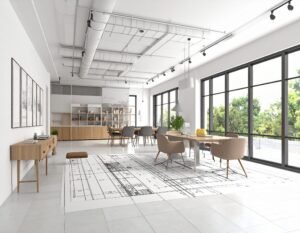
Home Interior Design Tips to Transform Any Space
1. Start With a Clear Vision and Theme
Every beautiful home starts with a concept. Before choosing furniture or décor, decide on a theme:
-
Modern
-
Minimalist
-
Traditional
-
Scandinavian
-
Industrial
-
Contemporary luxury
-
Bohemian
-
Coastal or earthy
Having a theme helps maintain consistency across every room and creates a harmonious flow.
2. Choose a Balanced and Welcoming Color Palette
Color plays the biggest role in defining the mood of your home. Choose colors based on:
For Small Homes:
-
Light shades like beige, cream, soft grey, and pastels make rooms look bigger.
For Spacious Homes:
-
Rich tones like emerald green, navy blue, charcoal, terracotta, and muted browns add depth.
A cohesive color palette throughout the house helps maintain harmony and visual balance.
3. Use Natural Light to Your Advantage
Natural light instantly makes any space appear larger, cleaner, and more beautiful.
Maximize it by:
-
Using sheer curtains
-
Installing bigger windows if possible
-
Avoiding heavy drapes
-
Choosing reflective surfaces like glass and mirrors
-
Keeping dark furniture away from window areas
Well-lit spaces feel more welcoming and energetic.
4. Layer Your Lighting for Better Ambience
Interior lighting works best when layered:
✔ Ambient lighting (overall brightness)
✔ Task lighting (reading lamps, kitchen lights)
✔ Accent lighting (spotlights, LED strips, wall sconces)
Warm-toned lights make living rooms and bedrooms feel cozy, while white lights suit kitchens and study rooms.
5. Invest in Quality Furniture That Fits the Space
One of the biggest design mistakes is choosing oversized or undersized furniture.
Follow these tips:
-
Measure the room before buying furniture
-
Opt for multi-functional pieces in small homes
-
Choose furniture with visible legs for an airy feel
-
Mix shapes—add curves to balance straight-line modern designs
-
Avoid bulky pieces in compact rooms
Quality furniture not only looks better but lasts longer.
6. Add Texture for Visual Interest
A beautiful home interior isn’t just about colors—it’s also about texture. You can add texture using:
-
Rugs
-
Cushions
-
Throws
-
Wooden accents
-
Stone cladding
-
Fabric wall art
-
Velvet or linen upholstery
Layered textures make rooms warm, inviting, and luxurious.
7. Declutter and Prioritize Organized Storage
A tidy home is instantly more stylish.
Adopt modern storage ideas:
-
Built-in wardrobes
-
Wall-mounted cabinets
-
Under-bed storage
-
Hidden units behind panels
-
Floating shelves
-
Multipurpose furniture
Decluttering enhances your room’s visual spaciousness and comfort.
8. Use Mirrors to Make Rooms Look Bigger
Mirrors reflect both natural light and artificial light, creating the illusion of more space.
Place mirrors opposite windows, behind sofas, or near dining areas to make rooms appear larger and brighter.
9. Incorporate Greenery and Natural Elements
Plants add freshness, color, and life to any room. Popular indoor plants include:
-
Snake plant
-
Areca palm
-
Money plant
-
ZZ plant
-
Fiddle leaf fig
-
Succulents
Pair greenery with natural materials like jute, rattan, wood, or terracotta for an earthy vibe.
10. Choose the Right Layout for the Room
A functional layout is the heart of good home interior design.
Tips:
-
Leave walking space between furniture
-
Avoid crowding corners
-
Create clear functional zones (reading, dining, TV area)
-
Keep pathways open
-
Use rugs to define seating areas
A well-planned layout elevates both style and comfort.
11. Add Personal Touches to Make the Space Yours
Your home should reflect your story. Include décor that feels meaningful:
-
Family photos
-
Souvenirs
-
Artwork
-
DIY décor
-
Collections
-
Personalized cushions or nameplates
This makes the home unique and emotionally connected to you.
12. Upgrade Your Flooring for a Modern Look
Flooring can dramatically transform a home. Trending choices include:
-
Wooden flooring
-
Marble
-
Large tiles
-
Vinyl flooring
-
Laminates
-
Textured tiles
Neutral or wooden tones provide timeless beauty.
13. Select Modern Ceiling Designs
False ceilings with cove lighting, wooden beams, or minimalist patterns instantly add elegance.
They also hide wiring and improve lighting control.
14. Focus on the Kitchen and Bathroom First
These areas often show the biggest transformation:
Modern Kitchen Tips:
-
Handleless cabinets
-
Quartz or granite counters
-
Soft-closing drawers
-
Matte finishes
-
Modular storage
Bathroom Tips:
-
Floating vanities
-
Frameless glass partitions
-
Warm lighting
-
Minimalist fittings
These spaces heavily influence the overall feel of your home.
15. Keep Spaces Functional and Flexible
Modern homes demand flexibility. Make sure your interior design supports:
-
Work-from-home
-
Relaxation areas
-
Storage needs
-
Entertainment setups
-
Kids’ play zones
Functional spaces make everyday life easier and more organized.
16. Add Artwork to Elevate Style
Unique art pieces, paintings, or sculptures add personality and sophistication.
Choose artwork based on your theme—minimalist, abstract, nature-inspired, or geometric designs.
17. Mix Modern and Traditional Elements
A balanced mix of old and new gives your home character.
Example combinations:
-
Modern furniture + traditional rugs
-
Sleek shelves + antique décor
-
Minimalist walls + carved wooden accents
This blend creates a timeless appeal.
18. Avoid Overcrowding the Space
Too many decorative items can make a home feel cluttered.
Follow the “less but meaningful” rule to maintain elegance and clarity.
19. Use Scent and Texture to Build Mood
Interior design isn’t only visual—it’s sensory.
Use:
-
Scented candles
-
Aroma diffusers
-
Fabric textures
-
Ambient sounds
These create a warm, comforting atmosphere.
20. Update Your Home Regularly
Design is an ongoing process.
Small additions like new cushions, curtains, décor pieces, or plants can refresh the home without a big budget.
Transforming your home doesn’t require huge changes—just smart choices. By selecting the right colors, lighting, furniture, layout, and décor elements, you can completely elevate the look and feel of any space. Use these Home Interior Design Tips to Transform Any Space to build a home that is beautiful, functional, and uniquely yours.
A thoughtfully designed home enriches your daily lifestyle, brings calmness, and reflects your personality effortlessly.
Frequently Asked Questions (FAQs)
1. How do I start designing my home interior?
Start by choosing a theme, creating a color palette, measuring your space, and planning a functional layout. Then select furniture and décor that match your concept.
2. What colors make homes look bigger?
Light tones such as white, beige, soft pastel shades, and light grey make rooms appear spacious and airy.
3. How can I make my home look modern affordably?
Replace outdated fixtures, use modern lighting, declutter the space, add indoor plants, and choose minimal décor.
4. Which type of furniture is best for small homes?
Compact, multifunctional, and open-leg furniture works best. Foldable tables, sofa beds, and wall-mounted desks save space.
5. Why is lighting important in interior design?
Lighting affects mood, visibility, functionality, and overall aesthetic appeal. It enhances textures, colors, and the perception of space.
6. What is the best way to make a room cozy?
Layered lighting, soft rugs, textured fabrics, warm colors, and indoor plants create a cozy atmosphere.
7. Can small homes look luxurious?
Yes! Use mirrors, warm lighting, minimal décor, quality fabrics, marble textures, and well-chosen art pieces to create a luxury feel.
8. How often should I update home interiors?
You can refresh small elements every 6–12 months, while major design updates can be done every 5–10 years.