
Your home is more than just a place to live — it’s where you relax, grow, and create memorable moments with your family. That is why designing a home that feels beautiful, functional, and comfortable is essential. Residential interior design services help homeowners turn empty spaces into warm, welcoming, and stylish environments that match their lifestyle.
Whether you’re building a new house, renovating an old one, or simply wanting to modernize your living space, understanding the full scope of residential interior design services is crucial. This complete guide covers everything homeowners must know — from the types of services offered to the design process, benefits, and essential FAQs.
Interior Design Institutes in Chennai
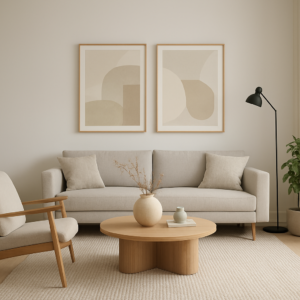
Residential Interior Design Services : Homeowners Must Know
1. What Are Residential Interior Design Services?
Residential interior design services refer to the planning, designing, and enhancing of interior spaces within a home. These services focus on improving:
-
Functionality
-
Space efficiency
-
Aesthetics
-
Lighting
-
Comfort
-
Acoustics
-
Material selection
-
Personalized style
Interior designers combine creativity with technical expertise to transform your home into a space that truly reflects your lifestyle.
2. Types of Residential Interior Design Services
Different homes require different design services. Here are the most common categories:
2.1 Full Home Interior Design
This includes end-to-end designing of your:
-
Living room
-
Bedrooms
-
Kitchen
-
Dining area
-
Bathrooms
-
Balcony
-
Foyer
-
Utility area
It covers everything from design concepts to execution and handover.
2.2 Room-Wise Interior Design
Ideal for homeowners who want to upgrade specific rooms such as:
-
Master bedroom
-
Kids’ room
-
Guest room
-
Kitchen
-
Living room
-
Home office
This allows focused design and budget control.
2.3 Modular Furniture Design
Includes designing and installing:
-
Modular kitchens
-
Wardrobes
-
TV units
-
Study tables
-
Shoe racks
-
Crockery units
-
Storage solutions
Modular designs offer precision, quick installation, and durability.
2.4 Renovation & Remodeling Services
Perfect for homes that need:
-
Modern upgrades
-
Structural changes
-
Space re-planning
-
Style transformation
-
Better storage
Renovation services efficiently convert old homes into modern, functional spaces.
2.5 Customized Design Solutions
Some homeowners prefer fully bespoke interiors. Custom solutions include:
-
Handcrafted furniture
-
Tailor-made décor
-
Designer ceilings
-
Unique wall treatments
-
Personalized layouts
These add luxury and uniqueness to your home.
3. What’s Included in Residential Interior Design Services?
Although service packages differ among designers, most include the following:
3.1 Interior Design Consultation
This includes:
-
Understanding your lifestyle needs
-
Discussing design preferences
-
Selecting themes
-
Suggesting layouts and materials
-
Planning functionality
The consultation lays the foundation for the entire project.
3.2 Space Planning
Professional space planning ensures:
-
Smooth room flow
-
Proper furniture positioning
-
Efficient usage of every corner
-
Better movement paths
-
Improved comfort
Good space planning transforms even small homes into spacious, functional areas.
3.3 2D Layouts & 3D Visualizations
Visualization helps you see your home before construction begins.
2D Layouts include:
-
Room dimensions
-
Furniture placements
-
Electrical points
-
Plumbing location
3D Designs include:
-
Colors
-
Textures
-
Lighting
-
Materials
-
Furniture
-
Décor
You get a realistic preview of your future home.
3.4 Modular Furniture
Most interior designers offer modular units such as:
-
Modular kitchens
-
Sliding wardrobe systems
-
Storage cabinets
-
Wall units
-
Study rooms
-
Dressing units
Factory-finished modular furniture ensures precision, elegance, and long life.
3.5 Civil Work (If Included)
Some designers include limited civil work such as:
-
Countertop cutting
-
Sink repositioning
-
Basic wall modifications
-
Electrical point shifting
Complex civil work may be excluded.
3.6 False Ceiling Design
False ceilings improve lighting and add modern style.
Includes:
-
Gypsum ceilings
-
Cove lighting
-
Spotlights
-
Profile lights
Minimalist designs are usually included; complex ceilings may require upgrades.
3.7 Electrical & Lighting Layout
Designers plan:
-
Lighting points
-
Switchboard location
-
Ambient lighting
-
Task lighting
-
Accent lighting
Lighting significantly impacts an interior’s mood.
3.8 Painting & Wall Treatments
Includes:
-
Basic painting
-
Accent walls
-
Textured finishes
-
Simple wallpapers
More artistic or premium finishes may be add-ons.
3.9 Installation & Execution
This includes:
-
Carpenter work
-
Electrical fitting
-
Painting
-
Modular installation
-
Cleaning and site preparation
Execution quality decides the final look of your home.
3.10 Final Handover
The designer completes installation and performs quality checks before handing the project over to the homeowner.
4. What’s Not Included in Most Interior Design Services?
Every project has exclusions. Here’s what’s typically NOT part of standard residential interior design services:
Home appliances
Chimneys, hobs, ACs, fans, ovens, etc.
Premium materials
Veneer, marble, designer tiles, imported laminates, duco paint.
Loose furniture
Sofas, dining tables, beds, décor items (sometimes optional add-on services).
Major civil or structural changes
Wall demolition, new wall construction, plumbing relocation.
Deep renovation work
Bathroom remodeling, waterproofing, flooring replacement.
Soft furnishings
Curtains, rugs, bedsheets, cushions, upholstery (usually additional).
5. The Complete Residential Interior Design Process
Here’s how most interior design firms execute home projects:
Step 1 – Consultation & Requirement Analysis
The designer understands:
-
Your lifestyle
-
Your family’s needs
-
Preferred design style
-
Storage expectations
-
Budget
-
Timeline
Step 2 – Site Measurement
Accurate site measurements are taken to create perfect layouts.
Step 3 – Concept Development
Designers create:
-
Style themes
-
Color palettes
-
Mood boards
-
Reference concepts
This gives your home a consistent design identity.
Step 4 – Layout Planning
Includes:
-
Furniture placement
-
Electrical layout
-
Kitchen zoning
-
Wardrobe planning
-
Pathway optimization
Step 5 – 3D Visualization
You get a high-quality 3D preview of:
-
Room interiors
-
Materials
-
Wall finishes
-
Lighting
-
Furniture
This helps you finalize every detail before execution.
Step 6 – Material Selection
You choose:
-
Laminates
-
Textures
-
Stones
-
Fabrics
-
Hardware
-
Finishes
Designers guide you based on durability, cost, and aesthetics.
Step 7 – Production & Execution
This includes:
-
Modular furniture manufacturing
-
Carpentry work
-
Electrical setup
-
Painting
-
False ceiling
-
Installation
Quality checks are performed at every stage.
Step 8 – Final Touch-Ups & Handover
After installation:
-
Snag checks are completed
-
Cleaning is done
-
Final handover is provided
Your home is now ready to move in.
6. Benefits of Residential Interior Design Services
✔ Enhances home functionality
✔ Saves space and improves flow
✔ Boosts comfort and convenience
✔ Improves aesthetics and style
✔ Helps avoid mistakes
✔ Increases home value
✔ Provides professional finishing
✔ Ensures long-lasting quality
Interior designers transform your home while reducing stress.
7. How to Choose the Best Residential Interior Designer?
Follow these tips:
-
Check their portfolio
-
Read customer reviews
-
Understand their process
-
Evaluate material knowledge
-
Ensure they offer 3D designs
-
Check their experience
-
Clear communication is essential
-
Confirm timelines
-
Ask about post-handover support
Choosing the right designer ensures a smooth, stress-free experience.
8. Common Mistakes Homeowners Make (And How to Avoid Them)
Not setting a clear vision
Solution: Discuss your style and preferences in detail.
Ignoring lighting design
Solution: Plan layered lighting early.
Choosing oversized furniture
Solution: Use scaled designs and accurate measurements.
Over-customization
Solution: Keep designs practical and future-friendly.
Skipping 3D visualization
Solution: Always ask for 3D renders before execution.
Residential interior design services help homeowners create beautiful, functional, and personalized living spaces. From planning and visualization to execution and final handover, designers handle every detail to ensure your home reflects your personality and lifestyle.
By understanding what’s included, what’s not, and how the entire process works, you can make informed decisions and enjoy a smooth, stress-free home transformation. Whether you’re building a new home or renovating an old one, hiring a professional interior designer is one of the best choices you can make.
FAQs
1. What do residential interior designers do?
They design, plan, and execute home interiors to improve beauty, comfort, and functionality.
2. Are 3D designs included in residential interior design services?
Most designers include 3D visualizations to help homeowners visualize the final look.
3. Do designers provide only modular furniture or full interiors?
Both options are available depending on your requirement.
4. Are appliances included in interior design services?
Items like chimneys, hobs, fans, and ACs are usually not included.
5. Can I hire interior designers for one room?
Yes. Many offer room-wise interior design services.
6. Do designers handle renovation projects?
Yes. Many designers offer renovation and remodeling services.
7. What should I check before finalizing a designer?
Portfolio, reviews, design style compatibility, process clarity, and communication.