
Contemporary home interiors have become one of the most popular design styles in recent years. Characterized by clean lines, open spaces, functional layouts, and artistic simplicity, contemporary design suits modern lifestyles beautifully. Whether you’re decorating a new home or upgrading an existing space, understanding contemporary interior principles can help you create a stylish, clutter-free, and comfortable home.
This Complete Guide for Beginners breaks down everything you need to know about contemporary home interiors — from color palettes and furniture styles to lighting, décor, and layout ideas. With these tips, anyone can create a sophisticated and elegant modern living space.
3 Months Fast-track Courses
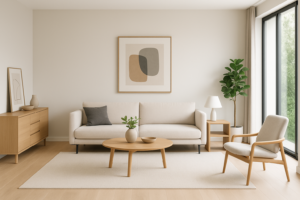
Contemporary Home Interiors: A Complete Guide for Beginners
1. What Is Contemporary Interior Design?
Contemporary interior design focuses on the “now.” Unlike modern design, which reflects a specific era, contemporary interiors evolve with time. The core elements include:
-
Simplicity
-
Clean architectural lines
-
Neutral color schemes
-
Minimal clutter
-
Functional furniture
-
Artistic accents
-
Natural materials
It blends comfort with style and creates spaces that feel fresh, open, and beautifully balanced.
2. Neutral Color Palettes Are the Foundation
A contemporary home is built on clean, neutral colors. Popular shades include:
-
White
-
Beige
-
Grey
-
Charcoal
-
Ivory
-
Soft tan
Neutrals create a calm, sophisticated backdrop that highlights furniture, art, and décor. Accent colors can be added subtly through cushions, artwork, or décor items.
3. Minimalism Plays a Major Role
Less is more when it comes to contemporary interiors.
Minimalism keeps your home:
-
Clean
-
Spacious
-
Organized
-
Visually calm
Avoid excessive décor, bulky furniture, and loud patterns. Instead, choose sleek designs and simple forms.
4. Opt for Open and Airy Spaces
Contemporary design favors open-plan layouts that allow easy movement and natural light.
This includes:
-
Merging living and dining spaces
-
Using glass separators
-
Removing unnecessary partitions
-
Creating open kitchen concepts
Open spaces help your home feel larger and more inviting.
5. Clean Lines and Sleek Surfaces
Geometric lines and smooth surfaces define contemporary interiors.
Use:
-
Straight-lined furniture
-
Minimalistic cabinetry
-
Matte surfaces
-
Simple ceiling shapes
Avoid heavy curves or ornate carvings — simplicity is key.
6. Natural Light Is Essential
Large windows, skylights, and glass doors help illuminate your home naturally.
Contemporary homes embrace:
-
Sheer curtains
-
Light filtering blinds
-
Transparent glass panels
-
Open window layouts
Natural light enhances the beauty of neutral tones and highlights textures.
7. Layered Lighting Adds Ambience
Lighting transforms the mood of your contemporary home.
Use a combination of:
-
Ambient lighting (ceiling lights)
-
Task lighting (reading lamps, kitchen lights)
-
Accent lighting (spotlights, LED strips)
Warm lighting tones work best with contemporary design.
8. Choose Functional, High-Quality Furniture
Furniture should be:
-
Functional
-
Simple
-
Sleek
-
Comfortable
Popular materials include wood, glass, metal, and leather. Floating furniture, low-profile sofas, and minimal dining tables are key elements of contemporary home interiors.
9. Open Shelf Concepts
Open shelving is widely used in contemporary homes for both display and practicality.
Great for:
-
Living rooms
-
Kitchens
-
Bedrooms
-
Home offices
Floating shelves add elegance without overwhelming the space.
10. Add Natural Materials for Warmth
To balance the simplicity of contemporary design, natural materials add warmth and texture.
Use:
-
Wood
-
Stone
-
Bamboo
-
Linen
-
Cotton
-
Clay accents
These elements create a harmonious, nature-inspired atmosphere.
11. Incorporate Artistic Elements
Contemporary design loves art — but in moderation.
Ideas include:
-
Abstract paintings
-
Modern sculptures
-
Statement wall art
-
Ceramic décor
Art adds personality without cluttering the space.
12. Keep Storage Smart and Hidden
Clutter-free spaces are a key element of contemporary interiors.
Use hidden storage solutions like:
-
Built-in cabinets
-
Modular storage units
-
Hydraulic beds
-
Floating TV units
-
Slim wardrobes
This keeps your home neat and stylish.
13. Flooring Options for Contemporary Homes
Modern flooring options include:
-
Wooden flooring
-
Large tiles
-
Marble
-
Concrete finishes
-
Vitrified tiles
Keep patterns simple for a clean, seamless appearance.
14. Contemporary Bedroom Design Tips
A contemporary bedroom should be cozy yet elegant.
Use:
-
Neutral shades
-
Soft lighting
-
Minimal furniture
-
Upholstered headboards
-
Cozy rugs
-
Layered bedding
Keep décor simple and soothing.
15. Contemporary Kitchen Ideas
Contemporary kitchens focus on clean forms and smart layouts.
Trending elements include:
-
Handleless cabinets
-
Matte finishes
-
Quartz countertops
-
Under-cabinet lighting
-
Open shelves
-
Island layouts
A modern kitchen blends beauty with efficiency.
16. Contemporary Living Room Ideas
Your living room sets the mood for the entire home.
Use:
-
Low-profile sofas
-
Geometric rugs
-
Floating TV units
-
Accent lighting
-
Indoor plants
Combine elegance with comfort for the perfect look.
17. Add Statement Lighting Fixtures
Large pendant lights, sleek chandeliers, and sculptural lighting pieces elevate contemporary interiors.
They serve as décor and functional lighting at the same time.
18. Bring Nature Indoors With Indoor Plants
Plants soften modern edges and add freshness.
Popular indoor plants include:
-
Areca palm
-
Snake plant
-
ZZ plant
-
Fiddle leaf fig
-
Succulents
They enhance aesthetics while purifying the air.
19. Keep Décor Simple and Stylish
Avoid decorating every corner.
Choose minimal décor that makes a statement:
-
One centerpiece vase
-
One abstract painting
-
A simple rug
-
A floor lamp
This keeps the home visually balanced.
20. Embrace Smart Home Technology
Contemporary homes love technology.
Use:
-
Smart lights
-
Automated curtains
-
Smart thermostats
-
Voice-controlled devices
-
Wireless security
Tech helps make daily life easier and enhances convenience.
21. Use Mirrors to Create Space
Mirrors reflect light and create the illusion of a larger room.
Use them behind sofas, in hallways, or as wall accents.
22. Add Texture for Depth
Textures make contemporary homes warm and dynamic.
Try:
-
Linen curtains
-
Bouclé fabrics
-
Matte wooden panels
-
Textured rugs
A balanced mix of textures enriches the interior.
23. Choose Simple Ceiling Designs
False ceilings should be clean and subtle.
Popular choices:
-
Cove lighting ceilings
-
Wooden beam accents
-
Minimalist tray ceilings
Avoid heavy moulding or complex shapes.
24. Contemporary Bathroom Ideas
Modern bathrooms focus on elegance and function.
Use:
-
Floating vanities
-
Glass shower enclosures
-
Modern tile patterns
-
Matte black or gold fittings
-
Soft white lighting
A clean and minimal bathroom completes the home.
25. Personalization Is Key
Make your contemporary home yours with personalized touches like:
-
Family photos
-
Favorite artwork
-
Travel collectibles
-
Books
-
Unique décor pieces
Personality adds warmth and charm.
Contemporary home interiors combine style, simplicity, and comfort to create modern homes that feel open, relaxing, and beautiful. With clean lines, neutral tones, smart storage, layered lighting, and natural elements, you can design a home that reflects elegance and modern living. Whether you’re designing a living room, kitchen, bedroom, or bathroom, the principles in this guide make it easy to achieve a balanced and stylish contemporary home.
FAQs
1. What is contemporary interior design?
Contemporary interior design is a modern style characterized by clean lines, neutral colors, open spaces, and minimal décor. It evolves with current trends and focuses on comfort and functionality.
2. What colors work best in contemporary homes?
Neutral shades like white, beige, grey, stone, and charcoal work best. Accent colors can be added through décor.
3. How do I make my home look contemporary?
Declutter your space, use minimalistic furniture, choose neutral color schemes, add modern lighting, and keep décor simple yet stylish.
4. Is contemporary design expensive?
Not necessarily. You can achieve a contemporary look with affordable materials by focusing on clean design, functionality, and minimal décor.
5. Can contemporary interiors be cozy?
Yes — by adding textures, warm lighting, rugs, natural elements, and comfortable furnishings, contemporary designs can feel very cozy.
6. What is the difference between modern and contemporary design?
Modern design follows a fixed style from the mid-20th century, while contemporary design is ever-changing and reflects current trends.