How to Transition from Tailoring to Fashion Design
How to Transition from Tailoring to Fashion Design
Fashion design and tailoring are closely related, but they cater to different aspects of the apparel industry. Tailoring focuses on constructing garments with precision, while fashion design involves creating new, innovative designs and concepts for clothing. If you’re a skilled tailor looking to transition into fashion design, it can be a rewarding shift that allows you to expand your creativity, work on high-end collections, and tap into a broader career spectrum. In this guide, we’ll explore how to transition smoothly from tailoring to fashion design and take your career to new heights. How to Transition from Tailoring to Fashion Design
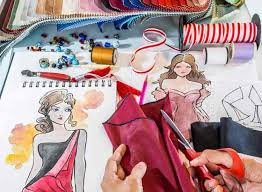
1. Understand the Differences Between Tailoring and Fashion Design
Before making the transition, it’s important to understand the key differences between tailoring and fashion design:
- Tailoring: Tailoring involves altering and fitting clothes to a specific individual. It’s about customizing ready-made garments, ensuring they fit perfectly, and creating new garments with a high focus on craftsmanship.
- Fashion Design: Fashion design, on the other hand, is about conceptualizing and creating new designs that fit within trends, aesthetics, and the broader fashion market. It’s more creative and involves sketching, fabric selection, pattern making, and understanding fashion trends.
While tailoring is about making clothes fit, fashion design is about making new fashion statements. As a tailor, you already have a strong foundation in garment construction, which will be helpful as you transition into fashion design.
2. Expand Your Knowledge of Fashion Design
To transition from tailoring to fashion design, you need to broaden your knowledge and understanding of design concepts. Tailors may already have experience in construction and stitching, but fashion design requires an understanding of design principles, fabrics, textures, and color theory.
- Learn Fashion Illustration: Fashion illustration is a key skill in fashion design. While you may already sketch or make patterns as a tailor, fashion designers need to illustrate their ideas in a visually appealing way. Practice sketching garments and outfits, and study the anatomy of the human body to design well-proportioned clothing.
- Study Fashion Trends: Fashion is constantly evolving. As a fashion designer, you’ll need to stay ahead of the trends and anticipate what will be popular. Follow global fashion shows, read fashion magazines, and attend workshops to learn about the latest trends in fabric, color, and silhouettes.
- Learn about Fabrics and Materials: A fashion designer must have a deep knowledge of textiles and how different fabrics behave. As a tailor, you may already know how to handle fabrics, but designers need to understand the properties, textures, and finishes of different materials to create unique collections.
3. Develop a Fashion Portfolio
A strong portfolio is crucial for breaking into the fashion industry. While tailors often work with clients on a one-on-one basis, fashion designers need a portfolio that showcases their creativity, design skills, and understanding of fashion. Your portfolio should include:
- Fashion sketches: Include a range of your sketches showcasing different types of garments, such as dresses, suits, casual wear, and outerwear. Make sure the sketches are neat, professional, and demonstrate your design talent.
- Fabric samples: Include swatches of fabrics you plan to work with, as well as a detailed explanation of why each fabric is suitable for particular designs.
- Finished designs: Document the garments you’ve made or designed, including details like stitching, fit, and creative elements. You can include garments you’ve already tailored and how you transformed them into new creations.
Having a comprehensive portfolio will allow potential employers or clients to see your design capabilities, even if you’re new to fashion design.
4. Learn Pattern Making and Draping
While you may already be proficient in making basic patterns as a tailor, fashion design involves more complex pattern making techniques, such as drafting patterns from scratch, creating muslin prototypes, and manipulating fabric through draping.
- Pattern making: In fashion design, you’ll need to create patterns for each garment you design. You may need to learn how to draft flat patterns or how to transform your sketches into workable patterns for production.
- Draping: Draping is the technique of arranging fabric on a dress form to create a new design. This hands-on technique allows designers to see how fabric behaves when it’s worked into a shape, making it an essential part of fashion design. It gives designers the freedom to experiment with fabric and structure before drafting a pattern.
Both pattern making and draping are key components of fashion design, and mastering these skills will help you make the leap from tailoring to designing your own collections.
5. Gain Formal Education or Training in Fashion Design
While it’s possible to transition into fashion design with self-teaching and practice, formal education can help you refine your skills and gain credibility. There are various courses, diplomas, and degree programs in fashion design that can provide you with the technical knowledge and exposure to the industry.
- Fashion Design Degree: Many universities offer degree programs in fashion design that cover everything from design history to pattern making, garment construction, textiles, and fashion marketing.
- Fashion Design Workshops and Short Courses: For those looking for a more focused and flexible option, many institutions offer short-term workshops and certificate programs in fashion design. These courses typically cover the essentials of designing, sketching, and pattern making.
- Online Courses: If you’re unable to attend in-person classes, online platforms offer comprehensive courses in fashion design. These courses allow you to learn at your own pace and cover topics like designing, color theory, sewing techniques, and marketing.
By pursuing formal education or training, you’ll gain a well-rounded understanding of fashion design that can complement your existing tailoring skills.
6. Experiment with Designing Your Own Collections
Once you have the basics down, start designing and creating your own small collections. This can include sketching out ideas, selecting fabrics, and making garments that reflect your style and creative vision. The more you practice, the better your designs will become.
Start by creating a few pieces and showcasing them online or within your network. You could even experiment by making pieces for friends or family, allowing you to build a customer base as you grow your confidence in fashion design.
7. Seek Internships or Work Experience in Fashion Houses
One of the best ways to transition into fashion design is by gaining real-world experience in the field. Seek internships or work opportunities with established fashion designers or fashion houses. By working in a professional setting, you’ll learn about the industry, gain exposure to the design process, and understand the business aspects of fashion.
Even if you’re starting small, getting hands-on experience will give you a deeper insight into how the fashion industry operates and allow you to develop your style further.
8. Network and Build Relationships in the Fashion Industry
Networking is essential for success in any creative industry, and fashion design is no exception. Attend fashion shows, industry events, and trade shows. Connect with other designers, industry professionals, and influencers through social media platforms like Instagram, LinkedIn, or Pinterest.
Building relationships within the fashion industry will help you find opportunities, stay updated on trends, and receive valuable feedback on your work.
Conclusion
Transitioning from tailoring to fashion design is an exciting and rewarding journey. With your foundation in garment construction and an eagerness to learn new skills, you can easily make the leap into fashion design. By expanding your knowledge of design principles, creating a strong portfolio, mastering pattern making and draping, gaining formal education, and networking in the fashion industry, you can set yourself on the path to becoming a successful fashion designer. Stay patient and persistent, as the fashion industry can be challenging but equally fulfilling for those with passion and dedication.